Tree of Life Redwork Embroidery Review
I have spent the last decade designing for the weekend craft fair circuit, and I have learned one hard truth: customers do not buy files; they buy finished products that look expensive but are efficient to produce. When I saw Tree of Life Redwork Embroidery, my first thought was not about the code in the file, but about how it would sit on a linen tote bag at 9:00 AM under harsh booth lighting. This review is a practical assessment for Etsy sellers, boutique makers, and handmade shop owners who need to know if this design will move units.
First Impressions and Visual Appeal
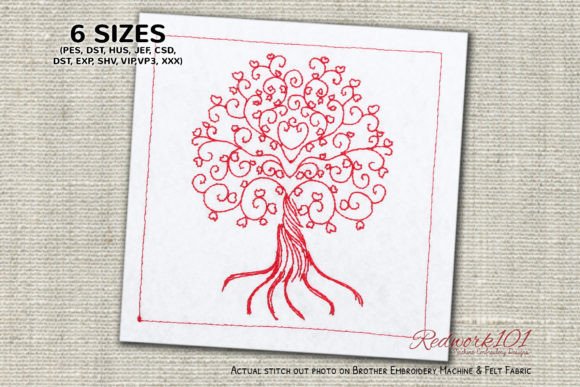
The title Tree of Life Redwork Embroidery suggests a classic, timeless aesthetic. In the world of machine embroidery, "redwork" typically implies bold outlines or solid fills, often in a single color or a limited palette. From the description, this digital embroidery masterpiece promises to add a touch of nature’s beauty and a burst of color. For a craft fair seller, this is crucial. A design that offers a "burst of color" stands out against the sea of neutral beige and white items on a crowded table.
Visually, this design fits squarely into the farmhouse, rustic, and elegant categories. It is not minimal in a way that disappears; it is decorative in a way that invites closer inspection. The Tree of Life motif is universally recognized, which reduces the cognitive load for buyers. They do not need to ask what the image means; they feel an immediate connection to the symbolism of growth and interconnectedness. This makes it an ideal choice for giftable handmade items, particularly for housewarmings, weddings, or new mother gifts.
Product Versatility and Market Fit
As an experienced designer, I evaluate designs based on their adaptability. Can this embroidery file be used across multiple product lines? Here is where Tree of Life Redwork Embroidery shines. It is categorized under Single Flowers, but its structural integrity allows it to function as a standalone focal point on various textiles.
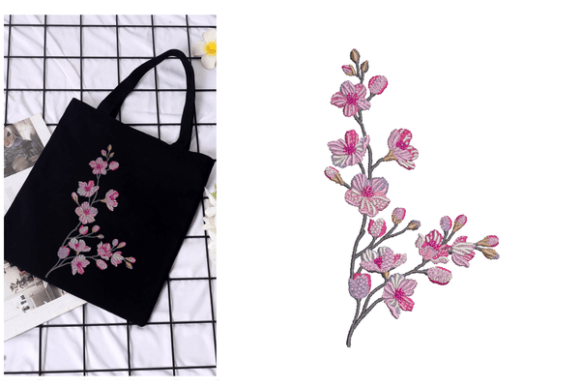
- Tote Bags: This is perhaps the strongest application. A large, centered Tree of Life on a canvas or heavy cotton tote bag creates a premium look. It photographs exceptionally well for online listings, serving as a high-quality printable mockup asset.
- Aprons and Tea Towels: Kitchen textiles are impulse buys at craft fairs. Placing this design on a cream-colored apron or a flax tea towel leverages the "burst of color" mentioned in the product details. It transforms a basic utility item into a decorative piece.
- Caps and Patches: If the digitizing is clean, this design can be scaled down for structured caps. However, caution is advised here regarding curvature. On curved surfaces, fine details may flatten. It works best as an embroidered patch sewn onto a denim jacket or a sturdy cap.
- Pillow Covers and Small Pouches: These items allow for a larger display area without the logistical nightmare of shipping bulky goods. A small pouch with this tree design feels like a complete, thoughtful gift.
Production Practicality and Batch Efficiency
For the commercial embroidery business owner, time is money. A design must be easy to hoop, stable during stitching, and fast to execute. While exact stitch counts are not provided in the source material, redwork styles generally prioritize efficiency over complex shading. This suggests that Tree of Life Redwork Embroidery should run relatively quickly compared to intricate photo-realistic designs.
This speed is vital for batch production. If you are preparing for a busy holiday market, you need to produce twenty identical aprons in a morning. A design that is easy to understand at a glance reduces setup errors. Furthermore, because it relies on strong lines and solid areas, it is forgiving of minor tension issues, making it reliable for both seasoned professionals and those newer to machine embroidery.
Photography and Online Sales
In the digital realm, your product image is your salesperson. Designs with high contrast and clear shapes photograph better. The "burst of color" from this design ensures that your listing thumbnail pops in a feed full of muted tones. For Etsy sellers, this visual clarity directly impacts click-through rates. A strong finished product shot featuring this tree design signals quality and attention to detail before the customer even reads the description.
Technical Considerations and Careful Use
No design is perfect without proper preparation. As you integrate Tree of Life Redwork Embroidery into your inventory, keep these technical warnings in mind.
- Stitch Density: Check the density of the leaves and branches. If the stitches are too dense, the fabric may pucker, especially on lightweight materials. If the density is too low, the design may look sparse and cheap. Always inspect the stitch distribution closely.
- Fabric Texture: Avoid highly textured fabrics like thick terry cloth or boucle for this design. The stabilizer needs a flat surface to grip, and the needle needs to penetrate cleanly. Flatweave cottons, linens, and blends are ideal.
- Small Details: Be wary of tiny internal details if you plan to scale the design down significantly. Tiny elements can merge together during stitching, creating a muddy blob rather than distinct leaves. Test scaling carefully.
- Thread Contrast: The impact of this design relies heavily on thread choice. Do not use low-contrast threads (e.g., light grey on white) unless you want a very subtle, almost invisible effect. For maximum sales appeal, use vibrant threads that complement the natural theme—forest greens, earthy browns, or true reds.
- Hoop Size: Confirm the required hoop size before ordering blanks. If the design requires a 6x10 inch hoop, ensure your tote bags or towels can accommodate that placement without awkward seams or edges interfering.
Designer’s Checklist for Success
Before you commit to mass production, follow this professional workflow to ensure your small shop product stands out:
- Test on Scrap Fabric: Never go straight to your final blank. Stitch the design on scraps of your intended fabric to check for puckering and color vibrancy.
- Review Spacing: Ensure there is adequate margin around the design so it does not get cut off by hems or seams.
- Create Real Mockups: Produce at least one physical sample. Take photos in natural light. Does it look as good in person as it does on screen?
- Confirm Licensing: This is non-negotiable. Verify the commercial licensing terms before selling any finished items. Ensure you are allowed to sell physical goods made from this digital embroidery file.
- Compare Fabric Colors: Thread colors interact differently with various fabric bases. Test your chosen thread colors on both light and dark fabrics to see which combination offers the best visibility and aesthetic appeal.
Final Verdict
Tree of Life Redwork Embroidery is a strong contender for any craft fair or handmade market strategy. It balances aesthetic appeal with production practicality. It appeals to the buyer’s desire for meaningful, nature-inspired decor while offering the seller a design that is likely efficient to stitch and versatile across multiple product types.
By focusing on high-quality blanks, proper stabilizers, and strategic thread choices, you can turn this digital asset into a best-selling craft fair product. It has the potential to elevate your brand consistency and drive engagement through its timeless, elegant imagery. Just remember: always test, always verify your license, and never underestimate the power of a well-executed, colorful focal point on a simple tote bag.