Cretive Flower Embroidery Design Review
As an embroidery designer who has spent years refining digital files for commercial production, I approach every new asset with a critical eye. When evaluating a design for small business merchandise, branded patches, or uniform accents, the goal is never just aesthetics—it is about durability, scalability, and brand impact. Today, I am reviewing the Cretive Flower Embroidery Design. This file falls under the category of Single Flowers within the broader Embroidery sector, but its utility extends far beyond simple decoration. For Etsy sellers, boutique owners, and apparel decorators, understanding how this design translates from screen to fabric is crucial before committing to bulk production.
First Impressions: Visual Personality and Professional Appeal
The name "Cretive" suggests a blend of creativity and perhaps a modern, clean aesthetic. Based on the description provided, this design is built for compatibility and ease of use, which immediately signals its value to busy entrepreneurs. In my experience, designs that are marketed as "easy to incorporate" often strike a balance between intricate detail and machine-friendly simplicity.
Visually, a single flower motif tends to convey elegance, freshness, and organic warmth. Whether your brand leans toward rustic farmhouse chic, modern minimalist, or playful handmade vibes, a well-executed single flower can serve as a versatile anchor. It feels professional yet approachable. It is not overly aggressive or loud; instead, it offers a touch of sophistication that enhances rather than overwhelms the garment. For a small café looking to embroider aprons, or a florist creating branded tote bags, this design provides that necessary visual lift without demanding too much attention away from the primary text or logo.
Real-World Business Applications
The true test of any machine embroidery design is its performance in real-world applications. The Cretive Flower Embroidery Design shines in several key areas for small business merch:
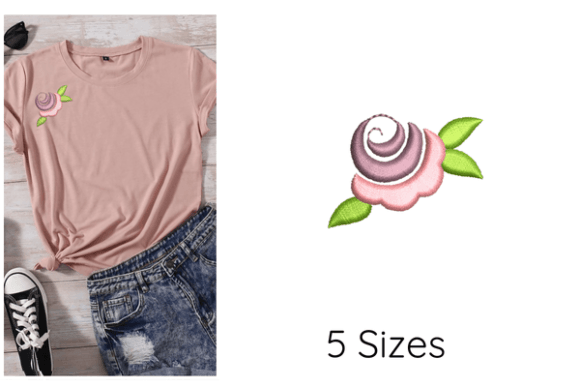
- Embroidered Patches: One of the most popular uses for single-flower assets is creating custom patches. These can be sewn onto denim jackets, backpacks, or caps to add a personalized touch. Because the design is a single element, it scales beautifully for patch sizes ranging from two inches to four inches, maintaining clarity and impact.
- Staff Uniforms and Aprons: For service-based businesses like bakeries or boutiques, subtle branding is key. Placing this flower design on the chest pocket of a work shirt or the upper corner of an apron adds a layer of professionalism. It signals care and attention to detail to the customer, reinforcing a high-quality brand identity.
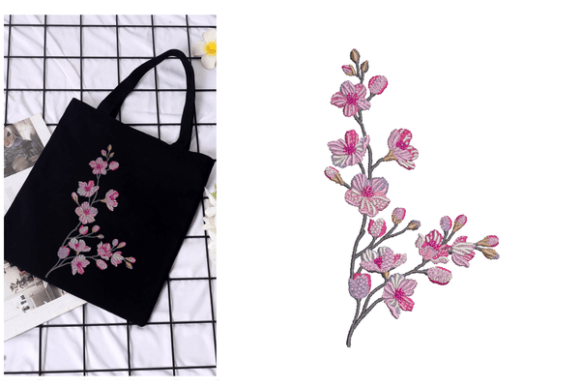
- Tote Bag Design and Custom Apparel: Canvas totes are a staple for craft fairs and retail shops. A floral accent here works exceptionally well, offering a soft contrast to the rugged texture of canvas. Similarly, on lightweight custom apparel like t-shirts or hoodies, it serves as a delicate graphic that appeals to customers seeking a more feminine or artistic look.
- Product Packaging Accents: Beyond clothing, this design can be used on product labels attached to goods. Imagine a small embroidered patch featuring this flower sewn onto the tag of a handmade candle or a jar of artisanal jam. It elevates the perceived value of the item, making it feel more premium and gift-ready.
- Event Merchandise: For local events, workshops, or pop-up markets, this design offers a quick way to create cohesive merchandise. It is simple enough to produce in volume but distinct enough to stand out against competitors.
Strategic Considerations and Limitations
No design is perfect for every scenario. As a designer, I must advise caution in specific applications where the integrity of the embroidery file might be compromised.
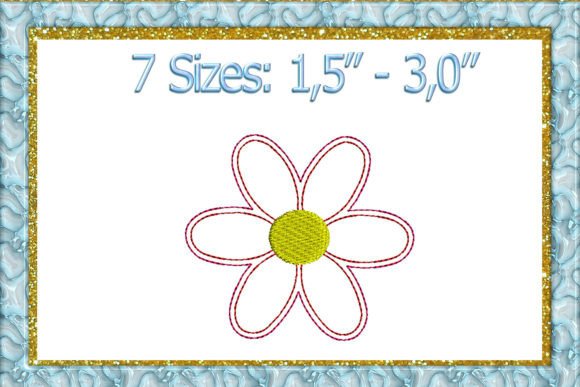
First, consider stitch density. If the Cretive Flower design contains fine details or thin outlines, it may become muddy or lose definition when stitched at very small sizes, such as on a tiny cap front or a miniature label. Always inspect the spacing between elements. If the lines are too close together, they may merge during stitching, resulting in a blob rather than a defined petal.
Second, think about the substrate. While this design likely performs well on stable fabrics like cotton or polyester blends, textured fabrics or highly stretchy materials require careful stabilization. On dark uniforms, thread color contrast becomes paramount. A light-colored flower on a black apron will pop, but ensure the digitization includes sufficient underlay stitches to prevent the fabric from showing through.
Additionally, items that undergo frequent washing, such as staff uniforms or heavy-use aprons, demand robust construction. Ensure the design does not rely solely on satin stitches that might fray over time. Testing on the actual fabric type you intend to use is non-negotiable to avoid costly reworks.
Impact on Brand Identity and Customer Trust
In the world of small business, consistency is currency. Using a high-quality, professionally digitized design like the Cretive Flower Embroidery Design reinforces your commitment to quality. Customers associate neat, precise embroidery with reliability and craftsmanship. When a buyer sees a flawlessly executed flower on a tote bag or a neatly stitched patch on a cap, it builds trust. It tells them that you care about the details, which often translates to confidence in your products or services.
Furthermore, this design supports a cohesive visual narrative. If your brand colors align with the recommended thread colors, the flower becomes a recognizable symbol of your brand. Over time, seeing this specific floral motif on various touchpoints—from social media printable mockups to physical products—creates a strong mental association for your audience. It transforms a generic item into a branded asset.
Practical Designer Notes for Production
Before you load the digital embroidery file into your machine for the first production run, follow these essential steps to ensure success:
- Test in Black and White: Convert the design to grayscale to check contrast and legibility. This helps identify if certain elements are too faint or crowded.
- Check Small Scale Performance: Reduce the design to its intended final size (e.g., 2 inches) on your screen. Does it still look clear? If not, you may need to simplify the digitization or increase the minimum stitch length.
- Review Thread Color Contrast: Ensure the chosen threads provide enough contrast against your target fabric. Poor contrast can make the design disappear visually.
- Inspect Spacing and Hoop Size: Confirm that the design fits comfortably within your standard hoop size without risking edge distortion. Adequate spacing prevents thread breaks and tension issues.
- Test on Real Fabric: Never skip the sample run. Stitch the design on the exact fabric you plan to sell. Observe how it behaves with different stabilizer types—iscut-away needed? Is tear-away sufficient?
- Create a Printable Mockup: Use the digital file to generate a realistic mockup for client approval or marketing materials. This allows you to visualize the end result without wasting material.
- Compare Against Other Assets: Place this design beside your other design assets to ensure visual harmony across your product line.
- Confirm Commercial Licensing: Most importantly, verify that you have the right to use this design for commercial purposes. Selling items embroidered with this file requires proper licensing to protect your business legally.
By following these guidelines, you can maximize the potential of the Cretive Flower Embroidery Design. It is a versatile tool that, when applied with strategic intent, can significantly enhance your small business’s presentation and appeal. Remember, the difference between a good product and a great one often lies in the finishing touches—and embroidery is one of the most impactful ways to deliver that finish.