Duck Embroidery Design Review
As an embroidery designer who spends weekends hunched over a table at craft fairs, I know that the difference between a design that sits on the shelf and one that sells out by noon often comes down to immediate visual appeal. When I first pulled up the Duck Embroidery Design, my mind immediately went to our upcoming weekend market booth. The description promises a "touch of nature," tailored for a 4×4 hoop size, which suggests a compact, manageable, yet impactful piece. In this review, I am breaking down exactly how this Farm Animals category entry performs as a commercial embroidery product, focusing on what matters most: production ease, customer attraction, and final aesthetic.
First Impressions and Visual Appeal
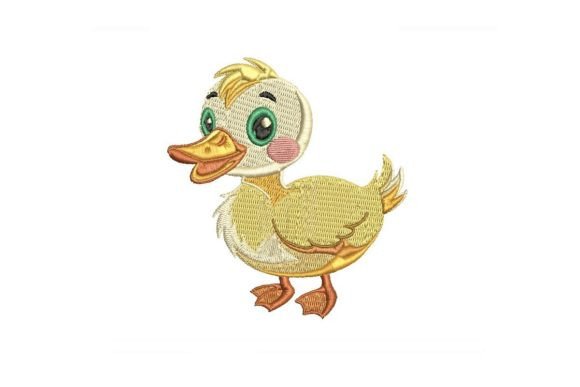
The moment you see the Duck Embroidery Design, it needs to communicate its personality instantly. From the description provided, this feels like a versatile piece that could lean towards rustic farmhouse charm or playful modern minimalism depending on your thread choices. For a craft fair product, ambiguity is dangerous; customers decide in seconds. This design seems positioned to be cute and approachable, making it ideal for attracting families and home decor enthusiasts.
In a physical setting, the stitch density plays a huge role in how premium a item looks. A well-executed duck motif should feel substantial but not stiff. If the design utilizes smooth satin stitches for the beak and eyes, it will catch the light beautifully under booth lighting, drawing eyes from across the aisle. It strikes a balance between being decorative enough to stand out as a handmade product without being so complex that it requires hours of hooping and trimming.
Product Applications and Market Fit
One of the strongest selling points of the Duck Embroidery Design is its adaptability. Because it is optimized for a 4×4 hoop, it fits perfectly on smaller items where large designs would overwhelm the fabric. Here is how I envision this machine embroidery design performing across various SKUs:
- Tote Bag Design: Placed on the front pocket or centered on a canvas tote, this design offers a charming focal point. It pairs exceptionally well with natural jute or heavy cotton bags, reinforcing an eco-friendly or country-living brand identity.
- Apron Embroidery: This is a high-margin item. Embroidering the duck on the bib of a denim or linen apron creates a cohesive kitchen set. Customers love matching sets, and this design’s scale allows it to sit nicely above pockets or below chest-level seams.
- Tea Towel Embroidery: A classic bestseller. The compact size ensures the design doesn’t compete with the towel’s texture. It adds a touch of whimsy to breakfast nooks and makes for an excellent impulse buy at checkout.
- Embroidered Patch: You can produce these as standalone patches for DIY customers. They are easy to attach to backpacks, hats, or jackets, expanding your reach beyond just home goods.
- Caps and Hats: With careful hooping, this design works well on the front panel of baseball caps or beanies. It provides a subtle nod to farm life without looking childish.
- Pillow Covers and Pouches: For larger fabric goods, the 4×4 limit might require repetition or placement on a corner. However, for small zippered pouches or makeup bags, it serves as a delightful accent.
Production Practicality and Quality Control
From a production standpoint, efficiency is key to profitability. The Duck Embroidery Design appears to be streamlined for a standard hoop, which reduces setup time. However, as any seasoned maker knows, the devil is in the details. Before committing to bulk production, you must evaluate the technical execution.
Check the stitch density carefully. Duck feathers or fur textures can sometimes be interpreted by the software as overly dense, leading to bulky, hard-to-hoop areas. If the design relies on tiny, intricate details, test it at full scale. On a finished product, micro-details often disappear, especially if printed on textured fabrics like terry cloth tea towels or thick denim aprons. If the design loses clarity, consider simplifying the thread colors or opting for a slightly larger format if your machine supports it.
Thread selection is equally critical. To make the Duck Embroidery Design pop, contrast is your best friend. On dark fabrics, light threads are essential, but be aware that lighter threads may require more layers to achieve opacity, increasing run time. Conversely, on light fabrics, darker threads provide sharp definition. Always create a real mockup using the exact fabrics and threads you plan to sell. Digital previews do not always capture how metallic or variegated threads interact with fabric weave.
Photography and Online Presentation
For the Etsy seller or online boutique owner, your photos are your salesperson. The Duck Embroidery Design lends itself well to lifestyle photography. Imagine a flat lay featuring a burlap sack, fresh lemons, and a white apron with the duck stitched prominently. These visuals tell a story of cozy, handmade living.
When creating a printable mockup for your digital assets or listing images, ensure the stitching looks realistic. Avoid overly glossy or artificial-looking renders. Show the texture of the thread against the fabric. Highlighting the craftsmanship reassures buyers that they are purchasing a quality small shop product rather than a mass-produced import. Use close-up shots to demonstrate the neatness of the backings and the precision of the edges.
Strategic Advice for Sellers
To maximize the potential of this commercial embroidery file, follow these practical steps:
- Test on Scrap Fabric: Never assume a design will work on all materials. Test on the specific fabric types you intend to sell, including their stretch and thickness.
- Review Spacing and Hoop Size: Confirm that the 4×4 dimension aligns with your target products. Ensure there is adequate margin around the design to prevent edge fraying or difficult trimming.
- Use the Right Stabilizer: Heavy fabrics like sweatshirts need tear-away or cut-away stabilizers to prevent puckering. Lighter fabrics like handkerchiefs may require water-soluble options to maintain softness.
- Inspect Stitch Density: Look for areas where stitches overlap excessively. If necessary, reduce the number of passes in your digitizing software to improve speed and reduce needle breakage.
- Confirm Commercial Licensing: Before selling finished goods, verify the license terms of the digital embroidery file. Some creators restrict the number of units you can sell, while others allow unlimited use.
Final Verdict
The Duck Embroidery Design holds strong promise for the current market trends favoring nature-inspired, cottage-core aesthetics. Its suitability for a wide range of accessories—from tea towel embroidery to apron embroidery—makes it a versatile addition to any design assets library. By paying attention to thread contrast, fabric choice, and production quality, you can transform this simple design into a standout handmade product that drives sales at both craft fairs and online shops. It is a reliable, charming option that resonates with buyers looking for warmth and personality in their everyday items.