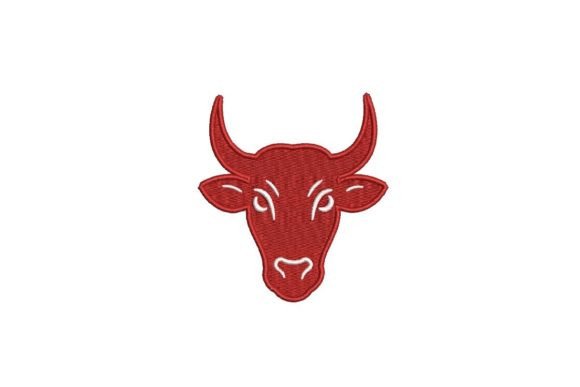
Bull Head Embroidery Design Review
As an embroidery designer who has spent years translating visual concepts into stitch data, I approach every new machine embroidery design with a critical eye. For small business owners, Etsy sellers, and apparel decorators, the difference between a decent decoration and a premium branded asset often lies in the details of the digitizing. Today, I am reviewing the Bull Head Embroidery Design, a file tailored for a 4×4 hoop size that claims to capture strength and power. But does it hold up when applied to real-world merchandise like aprons, caps, and tote bags? Let’s dive into the technical and aesthetic breakdown.
First Impressions: Boldness Meets Professionalism
When you first load a digital embroidery file into your software, the silhouette is the first thing you notice. The Bull Head design immediately reads as bold and rustic. It isn’t overly delicate or fussy; instead, it projects confidence. This makes it an excellent candidate for brands that want to communicate durability, heritage, or raw energy. Whether you are running a craft brewery, a leather goods shop, or a rugged outdoor gear brand, this design fits the visual personality perfectly.
The description notes that each stitch is meticulous, which suggests a high-quality digitization process. In my experience, "meticulous" usually means clean underlay stitches and logical color transitions. For a bull head, this is crucial because large solid areas can sometimes look puffy or distorted if not stabilized correctly. The design feels premium rather than decorative, giving it the weight necessary for a standalone logo or a significant accent on a garment.
Real-World Business Applications
The true test of any embroidery file is how it performs on finished products. A 4×4 hoop size is versatile, allowing for flexibility in placement without overwhelming the garment. Here is how I see this design performing across various small business merch categories:
- Embroidered Patches: This design translates exceptionally well to iron-on or sew-on patches. The strong outline and central focus make it easy to read even when reduced in size. It works beautifully as a back-of-the-cap patch or as a sleeve detail on denim jackets.
- Apron Embroidery: For bakeries, florists, or boutique coffee shops, placing this on the chest pocket of a canvas apron adds a touch of artisanal character. It signals craftsmanship and attention to detail to customers.
- Caps and Hats: The compact nature of the 4×4 format makes it ideal for cap embroidery. It sits neatly on the front panel without looking cramped. If used on structured hats, ensure the fabric tension is tight to prevent puckering around the curved horn tips.
- Tote Bag Design: On heavy cotton or jute tote bags, the design provides a striking contrast. It serves as a memorable brand mark that customers will want to carry around, effectively turning shoppers into walking billboards.
- Staff Uniforms: For businesses with a rugged or farm-to-table aesthetic, this design humanizes staff uniforms. It moves away from corporate sterility and embraces a handmade, approachable vibe.
Strategic Placement and Brand Identity
Incorporating the Bull Head Embroidery Design into your product line does more than just decorate; it shapes your brand identity. Consistency in visual assets builds customer trust. When a buyer sees this specific motif on your packaging, your social media, and your physical products, it creates a cohesive narrative.
Consider using this design as a subtle accent rather than the main event. For example, place a smaller version on the cuff of a sweatshirt or near the hem of a t-shirt. This technique elevates the perceived value of the item, making it feel like a carefully curated piece of art rather than mass-produced merchandise. It also enhances handmade product appeal, which is a key selling point for Etsy sellers and independent creators.
Visual Consistency and Product Value
High-quality embroidery adds texture and depth that printing cannot replicate. The raised threads catch the light and invite touch, creating a sensory connection with the customer. By using a robust design like the Bull Head, you signal that your business values quality. This perception directly impacts your ability to charge premium prices and retain loyal customers who appreciate durable, well-made goods.
Where to Use Caution: Technical Limitations
Even the best design assets have limitations. As a professional, I must advise caution in the following scenarios to ensure a flawless finished product:
- Small Patch Sizes: While the design is clear at standard sizes, shrinking it too far below 2 inches may cause fine details to merge. Always check the readability at the smallest intended size before ordering bulk production.
- Curved Surfaces: Embroidering on the front of a baseball cap or a curved bottle holder requires careful hooping. If the fabric stretches unevenly, the bull’s face may distort. Use a tear-away stabilizer and consider a curved hoop attachment if available.
- High Stitch Density: Check the density settings in your digitizing software. If the density is too high, the fabric may pucker, especially on lightweight materials like thin t-shirts. Test on scrap fabric first.
- Dark Uniforms and Textured Fabrics: Contrast is key. On dark fabrics, ensure you have enough thread coverage so the background doesn’t show through. On highly textured fabrics like tweed or heavy burlap, the needle may skip stitches, leading to an inconsistent look.
- Frequent Washing: For items that will be washed regularly, such as work shirts or kitchen aprons, reinforce the edges with a dense satin stitch border to prevent fraying over time.
Practical Designer Notes for Production
Before you commit to full production runs, follow these essential steps to protect your reputation and your bottom line:
- Test in Black and White: View the design in monochrome to check the balance of positive and negative space. This helps identify areas where the design might look cluttered.
- Review Thread Color Contrast: Select thread colors that pop against your target fabric. Don’t rely solely on the digital preview; actual thread sheen can change the appearance significantly.
- Inspect Spacing and Hoop Size: Confirm that the 4×4 hoop size accommodates all elements without crowding. Ensure there is adequate spacing between the design and the edge of the hoop to avoid trimming errors.
- Use Proper Stabilizer: The choice of stabilizer (cut-away vs. tear-away) depends on the fabric. For stretchy knits, a cut-away stabilizer is non-negotiable to maintain shape after washing.
- Create a Printable Mockup: Before sewing, generate a printable mockup to show clients or stakeholders. This allows for approval on placement and scale without wasting materials.
- Confirm Commercial Licensing: Verify that you have the right to use this commercial embroidery file for resale. Many digital files come with restrictions that prohibit commercial use unless a specific license is purchased.
Final Verdict
The Bull Head Embroidery Design is a strong, versatile asset for any small business looking to add a touch of rugged elegance to their merchandise. Its suitability for a 4×4 hoop makes it accessible for most home and industrial machines, while its bold aesthetic ensures it stands out. By paying attention to fabric choice, stabilization, and placement, you can transform this simple design into a powerful tool for brand building. Remember to always test on real fabric and compare it beside other design assets to ensure it aligns with your overall visual strategy. If executed correctly, this design will not only embellish your products but elevate your entire brand presence.