Cherries Embroidery Design Review
As an embroidery designer who spends hours testing stitches and planning collections for my own shop, I approach every new digital file with a mix of excitement and skepticism. We all know that a design can look perfect on a screen but fail miserably on fabric. Recently, I pulled up the Cherries Embroidery Design to see if it had what it takes for my personalized gift inventory. My goal was simple: determine if this machine embroidery design is versatile enough for real-world applications, from baby showers to wedding favors.
This review is based on practical testing and product planning. If you are an Etsy seller, a small business owner, or a crafter looking to add sweet touches to your handmade products, read on to see how this embroidery file holds up under scrutiny.
First Impressions: Mood and Charm
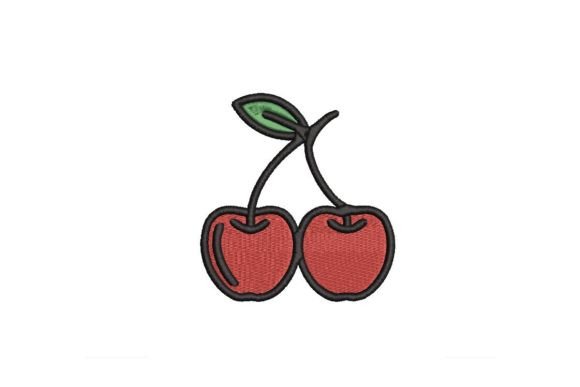
The first thing that strikes me about the Cherries Embroidery Design is its emotional appeal. It doesn’t scream for attention; instead, it offers a quiet, playful charm. The mood is undeniably sweet, evoking feelings of nostalgia and warmth. Whether you view it as classic or modern depends largely on your thread choices, but the silhouette itself feels timeless.
In terms of detail level, the design balances simplicity with character. It isn’t overly complex, which is a huge plus for production speed, yet it has enough definition to look expensive when stitched out. For a personalized gift, this balance is crucial. You want the recipient to notice the quality without feeling like they are looking at a generic clipart image. The design feels handmade, even though it is created digitally, which helps build customer trust in the perceived value of your item.
Perfect Applications for Personalized Gifts
When I imagine customers buying my services, I picture specific scenarios. Here is where the Cherries Embroidery Design truly shines:
- Baby Embroidery: This is perhaps the strongest use case. A pair of cherries on a white muslin onesie or a soft cotton blanket creates an instant hit. The hoop size (typically 4×4 inches for this type of design) allows for placement on the chest of a onesie or the corner of a burp cloth without overwhelming the garment.
- Kitchen Towels and Aprons: Food-themed designs always perform well in home decor. Using this on a linen embroidered towel adds a pop of color to any kitchen. It appeals to the "farmhouse" aesthetic that remains popular among home cooks and bakers.
- Wedding Keepsakes: For a summer or spring wedding, these cherries can serve as a subtle nod to sweetness. Imagine them embroidered on the hem of a pillow cover used as a ring bearer pillow, or on a tote bag given as a guest favor.
- Nursery Decor: Beyond clothing, this design works beautifully on wall hangings or framed fabric art. The bright reds and greens contrast nicely against neutral nursery tones, creating a focal point that is gender-neutral yet charming.
For the Etsy seller, listing potential uses like blanket embroidery or pillow covers in your product descriptions can significantly boost search visibility. Buyers often search for the occasion rather than just the motif.
Where to Exercise Caution
No design is perfect for every surface. As a professional, I have learned to identify pitfalls before stitching. Here are areas where you should be careful with the Cherries Embroidery Design:
- Small Lettering: If the design includes names or dates, ensure the font size is large enough. Tiny text often gets lost in the stitch density, especially on textured fabrics.
- Delicate Details: While the overall shape is clear, check the finer lines of the stems or leaves. On thick terry cloth towels, these details might merge together, losing their definition.
- Stretchy Baby Clothes: When working with knits, such as baby bodysuits, proper stabilization is non-negotiable. Without it, the fabric will pucker, ruining the clean look of the custom embroidery.
- Curved Surfaces: Attempting to hoop a curved surface like a hat brim or a rounded bag handle can distort the design. Stick to flat surfaces for the best results.
- Dark Fabric: If you plan to stitch this on dark colors, you must consider underlay stitches. Light-colored threads may not show up well, requiring a heavy stabilizer layer underneath that can make the final product feel stiff.
- Frequent Washing: For items like aprons or dishcloths that undergo high-heat washing, ensure the thread quality is high. Cotton threads may fray over time, while polyester blends hold up better.
Impact on Giftability and Brand Value
A well-executed embroidery design does more than just decorate; it tells a story. The Cherries Embroidery Design enhances giftability by adding a layer of thoughtfulness. When a buyer sees a photo of a finished product—perhaps a printable mockup showing the cherries on a rustic wooden table next to coffee beans—they can visualize the gift. This visualization drives engagement.
Furthermore, the quality of the stitch work directly influences perceived value. A clean stitch-out with consistent tension suggests care and expertise. Customers are willing to pay a premium for handmade quality because they associate it with durability and uniqueness. By showcasing close-up photos of the thread texture and fabric interaction, you reinforce the idea that this is a premium small shop product.
Practical Embroidery Notes for Success
Before you rush to list this design in your store, follow these technical steps to ensure customer satisfaction:
- Test on Scrap Fabric: Always run a test stitch on the exact fabric you intend to sell. This reveals issues with puckering or thread breaks early.
- Check Thread Color Contrast: Compare light and dark fabric mockups. Ensure the chosen thread colors provide enough contrast against the background material.
- Confirm Hoop Size: Verify that the design fits comfortably within your machine’s hoop limits. The standard 4×4 size is versatile, but always double-check the dimensions.
- Review Stitch Density: High density can make fabric stiff, while low density might look sparse. Adjust the scale if necessary to achieve the right hand-feel.
- Use Proper Stabilizer: Match the stabilizer to the fabric weight. Cut-away stabilizers are generally safer for garments, while tear-away works well for stable home decor items.
- Check Small Details: After stitching, inspect the design closely. Are the stems connected? Is the shading smooth?
- Confirm Commercial Licensing: Before selling finished products, review the license terms of the digital embroidery file. Some designers allow commercial use, while others restrict it to personal gifts only.
In conclusion, the Cherries Embroidery Design is a charming addition to any library. It offers versatility for wedding gifts, baby embroidery, and everyday home goods. By paying attention to fabric choice and stabilization, you can create stunning finished products that delight customers and strengthen your brand. Remember, the devil is in the details, so take the time to test and refine your process.