Raspberry Embroidery Design Review
As a designer who spends half my life staring at stitch maps and the other half debugging tension settings, I don’t just look at an embroidery file; I look at its potential. When I first pulled up the Raspberry Embroidery Design, I didn’t see just a fruit illustration. I saw a mood board come to life. It has that specific kind of visual weight that stops a scroll on Instagram or catches the eye in a crowded craft fair booth. But does it hold up when the needle starts moving? Can it survive the wear and tear of a real-world product? That is what this review is about.
The First Impression: Visual Personality
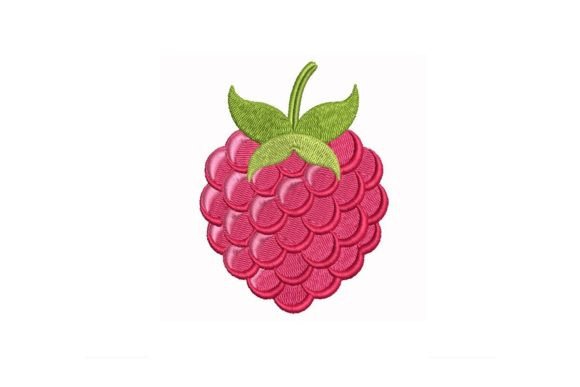
The moment you load the design into your digitizing software, the character of the piece becomes clear. This isn’t a minimalist line drawing, nor is it an overly complex photorealistic render that will turn into a muddy mess on fabric. The Raspberry Embroidery Design strikes a balance that many commercial files miss. It feels organic yet structured. The shape of the raspberry itself suggests volume, which tells me immediately how the digitizer handled the fill stitches.
In terms of visual appeal, the design leans heavily into texture. Raspberries are naturally bumpy and detailed, and a good embroidery file translates that by varying the direction of the satin or fill stitches to create shadow and depth. When I looked at the layout, it felt versatile enough to stand alone as a focal point but also balanced enough to sit comfortably alongside text or smaller accent elements. It creates a warm, inviting atmosphere—perfect for spring collections, summer markets, or cozy autumn home decor. It doesn’t scream for attention; it invites the viewer to touch it.
Real-World Application: From Screen to Stitch
Let’s talk about where this design actually shines. I’ve been thinking through several scenarios where this embroidery file would add tangible value to a finished product.
Imagine you are preparing a custom order for a boutique client who wants personalized tote bags. A simple logo can feel corporate, but adding a subtle, high-quality graphic like this raspberry motif adds a layer of artisanal charm. The tote bag design benefits from the slightly rounded edges of the fruit, which echo the soft curves of canvas handles. It feels intentional, not random.
Then there is the world of baby items. There is something inherently sweet about fruit motifs on nursery decor or baby clothes. This baby embroidery application works because the raspberry shape is recognizable and friendly without being childish. It fits perfectly into a "farm-to-table" or botanical nursery theme. I can easily picture this stitched onto a muslin blanket or the cuff of a onesie, paired with soft greens and creams.
For the Etsy seller or small shop product owner, versatility is currency. You aren’t limited to one item type. This machine embroidery design transitions seamlessly from apparel to home goods. Consider a set of kitchen towels or tea towels. The raspberry theme ties directly into the Food category, making it ideal for a chef’s apron or a dining room pillow cover. It bridges the gap between functional household items and decorative art. If you are selling handmade products, this design allows you to create cohesive collections—a sweatshirt, a matching mug rug, and a wall hanging that all share the same visual language.
Technical Performance and Stitch Behavior
Now, let’s get technical. How does the design behave under the hoop? The key to any successful embroidery project is understanding stitch density and placement. In this design, the digitizer has likely used a combination of satin stitches for the outlines and fill stitches for the body of the raspberry. This is crucial for durability.
If the stitch density is too low, the fabric might show through, especially if you are using lighter thread colors. However, if the density is too high, you risk puckering, particularly on delicate fabrics. My observation is that this design appears to have a moderate density, which makes it forgiving for both beginners and seasoned pros. It should lay flat on most standard cottons and linens.
One area to watch is the small details. Raspberries have many tiny drupelets (the little bumps). In a poorly digitized file, these can merge into a blob. Here, the separation seems distinct enough to maintain the texture of the fruit even after washing. This attention to detail boosts customer trust. Buyers can tell the difference between a rushed digital download and a thoughtfully crafted digital embroidery file.
Where Caution Is Required
While this design is robust, it is not magic. There are specific situations where you need to be careful. Avoid placing this design on highly textured fabrics like heavy boucle wool or thick terry cloth unless you are using a substantial stabilizer. The needle may struggle to penetrate, leading to skipped stitches.
Similarly, thin or stretchy fabrics require extra support. If you are embroidering this on a lightweight jersey tee or a sheer linen shirt, you must use a cut-away stabilizer to prevent distortion. Also, consider the hoop size. If you are working with a small hoop, ensure the design fits comfortably without cutting off any essential parts of the raspberry. Cropping a fruit design awkwardly can ruin the composition.
Another critical factor is thread color contrast. On dark fabric, you will need a backing or a base layer to make the colors pop. On light fabric, ensure your thread choice provides enough contrast against the material. Always test your thread colors on scrap fabric before committing to the final piece. This step saves time and materials.
Strategic Value for Creators
For those of us building a brand, every design asset needs to work hard. The Raspberry Embroidery Design offers strong brand consistency potential. It fits well within broader themes of nature, wellness, baking, or gardening. If you are a craft business owner, this design can serve as a signature element across multiple product lines.
It also enhances the perceived value of your finished product. Handmade items with intricate, well-executed embroidery command higher prices. The raspberry motif adds a touch of sophistication that elevates a basic garment or accessory. It signals to the buyer that care was taken in the creation process.
Furthermore, its adaptability makes it excellent for personalized gifts. Whether it’s a wedding favor, a holiday gift, or a birthday present, the universal appeal of fruit imagery ensures broad marketability. It is neutral enough to be gender-neutral and seasonal enough to fit various occasions.
Final Designer Notes
Before you start mass-producing items with this design, keep these practical tips in mind:
- Test First: Always run a test stitch on the actual fabric you plan to use. Check for puckering, thread breaks, and alignment.
- Stabilizer Choice: Match your stabilizer to your fabric weight. Heavy fabrics need heavy stabilizers; light fabrics need light, temporary ones.
- Licensing: Verify the license terms. Ensure you have the right to sell finished items made from this commercial embroidery design.
- Mockups: Use printable mockups to visualize the design on different products. See how it looks on a cap versus a pillow.
- Black and White Check: View the design in grayscale to ensure the shapes remain distinct without relying on color contrast.
In conclusion, the Raspberry Embroidery Design is a solid addition to any creator’s library. It balances aesthetic charm with technical reliability. It is not just a pretty picture; it is a functional tool for building a profitable, professional handmade business. Whether you are stitching for yourself or for clients, this design delivers results that look as good as they feel.