Witch Embroidery Design Review
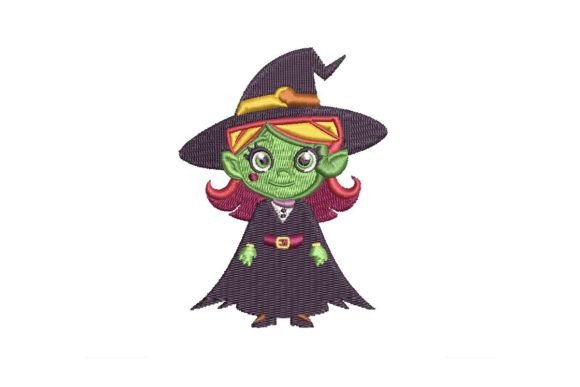
As an experienced embroidery designer, I spend my days evaluating digital assets for their commercial viability. When a new file lands on my desk, I am not just looking at the image; I am analyzing stitch paths, thread contrast, scalability, and brand potential. Today, I am reviewing the Witch Embroidery Design, a piece described as featuring a whimsical witch with a broomstick and pointy hat. For small business owners, Etsy sellers, and apparel decorators, the question is never just "does it look cute?" but rather "will this sell?"
First Impressions and Visual Personality
The description invites you to "cast a spell of creativity," which sets a playful yet magical tone. From a design perspective, this suggests a aesthetic that is likely whimsical and handmade in feel, rather than rigidly corporate or overly ornate. The inclusion of classic symbols—the broomstick and the pointy hat—indicates a design that relies on strong, recognizable silhouettes. This is crucial for embroidery because complex details often get lost in the stitching process.
In terms of brand identity, this design feels friendly and approachable. It does not scream "gothic horror"; instead, it leans into a charming, perhaps slightly rustic or modern-craft vibe. For a handmade brand or a boutique shop, this visual personality builds immediate customer trust. It signals that the product is crafted with care and has a touch of magic, which resonates deeply with audiences who value unique, artisanal goods over mass-produced items.
Real-World Business Applications
So, where does this machine embroidery design shine in a retail environment? The versatility of the Witch Embroidery Design makes it a strong candidate for various small business merch categories. Here is how I see it performing in real-world scenarios:
- Embroidered Patches: This is perhaps the strongest use case. The central figure of the witch allows for a clean, contained composition. A well-executed embroidered patch can be applied to denim jackets, canvas totes, or backpacks, instantly upgrading a generic item into a branded statement piece.
- Apron Embroidery: For bakeries, florists, or craft studios, branding staff attire is essential. Placing this design on the chest pocket or lower hem of a high-quality canvas apron adds a layer of personality to custom apparel. It turns a uniform into a marketing tool.
- Cap Embroidery: The compact nature of many witch designs (depending on the specific layout) works well on the front panel of structured caps. This is ideal for seasonal promotions, especially around Halloween, allowing brands to offer limited-edition headwear.
- Tote Bag Design: Canvas totes are a staple for Etsy sellers and market vendors. A single, centered motif or a small corner placement of the Witch Embroidery Design offers a sophisticated look. It avoids the cluttered appearance of large prints, relying instead on the texture and depth of thread.
- Product Packaging Accents: Do not overlook the power of unboxing experiences. A small branded patch featuring this design can be sewn onto gift tags, garment bags, or shipping boxes. It reinforces brand identity and creates a memorable tactile experience for the buyer.
Seasonal Relevance and Year-Round Appeal
While the theme is undeniably tied to Halloween and Embroidery traditions, the "witch" archetype has transcended its seasonal roots to become a symbol of empowerment and creativity in modern branding. However, businesses must consider the sales cycle. If you are stocking inventory, ensure you have a plan to rotate this design asset before November ends, unless your brand identity is permanently rooted in mystical themes.
Strategic Considerations and Limitations
No design is perfect for every application. As a professional, I must highlight where the Witch Embroidery Design requires careful handling to maintain a premium finish.
Size and Detail Constraints: If the design includes tiny lettering or extremely fine outlines, it may not hold up well at small patch sizes. On curved surfaces like cap fronts or sleeves, tight curves can distort the shape of the witch’s hat or broomstick. Always inspect the spacing between elements. If the stitches are too close together (high stitch density), the fabric may pucker, ruining the finished product.
Fabric and Color Matching: This design will perform best on light-colored, smooth fabrics like white cotton, beige canvas, or light grey heather. Dark uniforms or heavily textured fabrics (like thick wool or corduroy) can obscure the thread colors and hide the detail. If you are embroidering on dark fabric, you will need a heavy underlay or a backing patch, which adds bulk and cost.
Durability: For items that require frequent washing, such as staff aprons or work shirts, ensure the design uses satin stitches for edges to prevent fraying. Avoid placing delicate, loose-fill areas on cuffs or collars where friction is high.
Practical Designer Notes for Production
Before you commit this digital embroidery file to production, follow these professional steps to protect your investment and reputation:
- Test in Black and White: Convert the design to grayscale first. This helps you evaluate the balance and contrast without being distracted by color choices. If the shapes do not read clearly in black and white, they will struggle in color.
- Check Hoop Size Compatibility: Confirm the hoop size required by the file. Ensure it fits within your machine’s capabilities and that it aligns with the dimensions of your merchandise (e.g., a standard 5x7 inch hoop for a tote bag).
- Stabilizer Selection: Use the proper stabilizer for your fabric type. Cut-away stabilizers are generally recommended for stretchy fabrics or items that will be washed frequently to prevent distortion.
- Thread Color Contrast: Review the suggested thread colors. High contrast between the background fabric and the primary thread colors is essential for visibility. Test a sample run to ensure the hues match your brand palette.
- Create a Printable Mockup: Before sewing, generate a printable mockup to show clients or stakeholders. This allows for approval on placement and scale without wasting expensive materials.
- Verify Commercial Licensing: This is critical. Ensure you have the right to use this embroidery file for commercial purposes. Many designers sell personal-use licenses only. Selling products with an unlicensed design can lead to legal issues and financial loss.
Final Verdict on Brand Value
The Witch Embroidery Design offers a compelling blend of charm and recognizability. For brands looking to inject a sense of wonder into their handmade product line, this design is a strong contender. It elevates simple items like totes and caps into collectible pieces, thereby increasing perceived product value.
However, success depends on execution. The difference between a cheap-looking embroidered item and a premium one lies in the quality of the digitization, the choice of thread, and the precision of the stitch placement. By treating this design with the same rigor you would any other core design asset, you can create merchandise that not only sells but also strengthens your brand’s connection with your audience.
For the savvy entrepreneur, the Witch Embroidery Design is more than just a seasonal graphic; it is a versatile tool for building a cohesive, engaging, and profitable merchandise strategy. Just remember: test thoroughly, license correctly, and always prioritize the quality of the stitch.