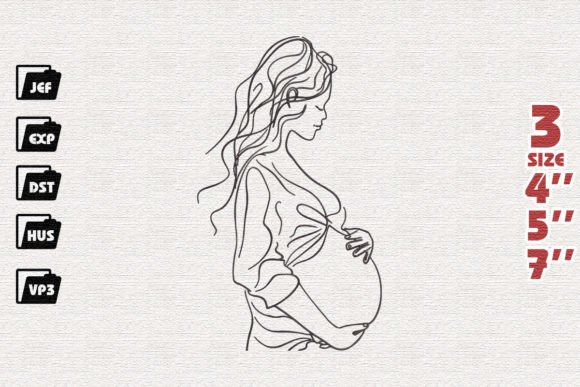
Pregnant Woman Holding Belly Embroidery Review
As an embroidery designer who spends hours evaluating digital files for commercial viability, I look at a design like Pregnant Woman Holding Belly Embroidery and immediately think about the end product. For small business owners, Etsy sellers, and boutique brands, the difference between a cute decoration and a sellable asset is often found in the details of stitch density, scalability, and brand alignment. This review focuses on how this specific machine embroidery design performs when moved from a digital screen to physical merchandise, patches, and branded goods.
First Impressions: Visual Personality and Brand Fit
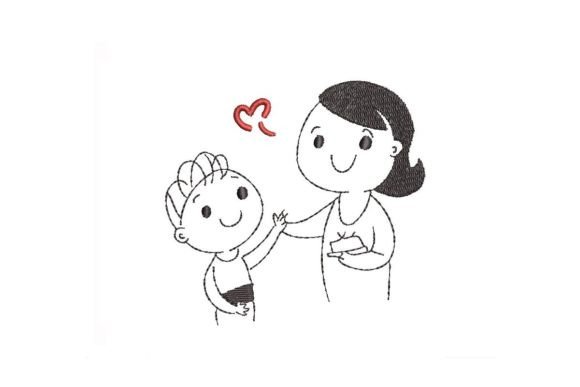
When you first load the Pregnant Woman Holding Belly Embroidery file into your digitizing software, the immediate question is: what does it say? The title suggests a theme of maternity, motherhood, and nurturing. Visually, designs with this subject matter typically lean towards elegant, soft, or heartfelt aesthetics. For a small business, this emotional resonance is powerful. It feels professional yet approachable, making it suitable for brands that want to convey warmth and care.
However, "beautiful" is subjective in branding. If your business is a rugged outdoor gear shop, this design might clash with your visual identity. But if you are running a baby boutique, a maternal health clinic, a handmade nursery decor shop, or a lifestyle brand focused on family values, Pregnant Woman Holding Belly Embroidery serves as a strong visual anchor. It communicates a sense of premium quality and attention to detail, which can elevate the perceived value of your small business merch.
Real-World Business Applications
The true test of any embroidery file is its versatility across different products. Here is how Pregnant Woman Holding Belly Embroidery translates to real-world use cases for entrepreneurs and decorators:
- Embroidered Patches: This design has excellent potential as a sew-on or iron-on patch. Small businesses often use patches to create limited-edition merchandise or loyalty rewards. The central focus of the design allows it to stand out well on denim jackets, canvas totes, or beanies.
- Apron Embroidery: For bakeries, florists, or home chefs who offer custom gifts, placing Pregnant Woman Holding Belly Embroidery on the chest pocket of a high-quality apron adds a personal touch. It transforms a utilitarian item into a keepsake, increasing customer engagement and satisfaction.
- Tote Bag Design: Canvas totes are a staple for craft fairs and pop-up shops. A centered placement of this design works beautifully on natural cotton bags. It appeals to shoppers looking for sustainable, meaningful accessories. Ensure the thread colors contrast well against the bag fabric to maintain visibility.
- Cap Embroidery: While caps are popular, they present unique challenges. Curved surfaces can distort fine details. If this design includes delicate lines, test it carefully on a structured cap front. It may work best as a smaller accent logo rather than a large centerpiece on headwear.
- Staff Uniforms: For boutiques or wellness centers, subtle branding on uniforms builds trust. A small, refined version of this design on a work shirt or polo can humanize the brand, showing staff empathy and connection to the customer’s journey.
- Product Packaging Accents: Don’t overlook packaging. Sewing a tiny embroidered label featuring elements of this design onto gift boxes or garment tags adds a luxurious, handmade feel that customers love to share on social media.
Where to Use Caution: Technical Limitations
Even the best machine embroidery design has limits. As a designer, I advise caution in the following scenarios to ensure your finished product looks professional:
- Small Patch Sizes: If you plan to produce patches smaller than 2 inches, inspect the stitch density closely. Fine details in the woman’s features or clothing folds may merge together, creating a muddy appearance. Simplify the design or increase the minimum size threshold.
- High Stitch Density: Designs with heavy fill stitches can become stiff and bulky. On delicate fabrics like silk or thin rayon, this weight can cause puckering. Always check the underlay and fill settings in your digitizing software.
- Curved Surfaces: When applying to curved items like hats or sleeves, the design must be pre-distorted (hoop simulation) to account for the curve. Without proper digitizing adjustments, straight lines will appear warped.
- Dark Uniforms and Fabric Texture: Contrast is key. If embroidering on dark fabrics, ensure the thread colors used in the design provide sufficient lightness. Conversely, on heavily textured fabrics like wool or thick fleece, the needle may struggle to penetrate evenly, leading to skipped stitches.
- Frequent Washing: For items like aprons or work shirts that undergo industrial washing, verify the durability of the thread. Synthetic threads generally hold up better than cotton blends in high-frequency laundering environments.
Impact on Brand Identity and Customer Trust
Investing in high-quality commercial embroidery signals professionalism. When a customer sees a crisp, well-executed Pregnant Woman Holding Belly Embroidery on your product, it reflects positively on your entire brand. It suggests that you care about craftsmanship and detail. This visual consistency helps build recognition over time.
Furthermore, handmade products carry an emotional weight. A design that evokes feelings of care and new beginnings can deepen the bond between your brand and your audience. It turns a simple transaction into a memorable experience. Customers are more likely to recommend products that feel personal and thoughtfully designed.
Practical Designer Notes for Production
Before committing to a large production run, follow these essential steps to avoid costly mistakes:
- Test in Black and White: Convert the design to grayscale to check contrast and balance. This helps identify areas that might get lost in color or lack definition.
- Check Hoop Size: Confirm the required hoop size matches your equipment. If the design exceeds standard hoops, you may need multi-hooping, which increases labor time and potential registration errors.
- Use Proper Stabilizer: The choice of stabilizer (cut-away vs. tear-away) depends on the fabric. For stretchy knits, a cut-away stabilizer provides necessary support to prevent distortion.
- Create a Printable Mockup: Before stitching, generate a printable mockup to visualize the design on your actual product. This helps clients approve the placement and scale before you waste materials.
- Review Thread Color Contrast: Simulate the final thread palette. Some colors look vibrant on screen but dull in thread form. Adjustments may be needed to ensure the design pops.
- Confirm Commercial Licensing: Most importantly, verify that you have the correct license to use Pregnant Woman Holding Belly Embroidery for resale. Digital design assets often have specific terms regarding how many units can be produced or sold.
In conclusion, Pregnant Woman Holding Belly Embroidery is a versatile and emotionally resonant design that can significantly enhance your product line. By understanding its technical requirements and strategic applications, you can create high-value merchandise that stands out in a crowded market. Whether you are producing custom apparel, tote bag designs, or unique handmade products, this design offers a blend of elegance and warmth that customers appreciate. Always prioritize testing and quality control to ensure every stitch contributes to a positive brand image.