Little Cat Embroidery Design Review
As a designer who spends more time troubleshooting stitch errors than actually creating art, I approach every new digital file with a healthy dose of skepticism. The market is flooded with generic clip-art converted into embroidery files, but finding something that balances aesthetic charm with technical viability is rare. Recently, I had the opportunity to evaluate the Little Cat Embroidery Design, specifically looking at how it performs when moved from a screen to a hoop. This review breaks down my experience using this design for real-world applications, focusing on its suitability for small business owners, Etsy sellers, and serious hobbyists.
First Impressions and Visual Personality
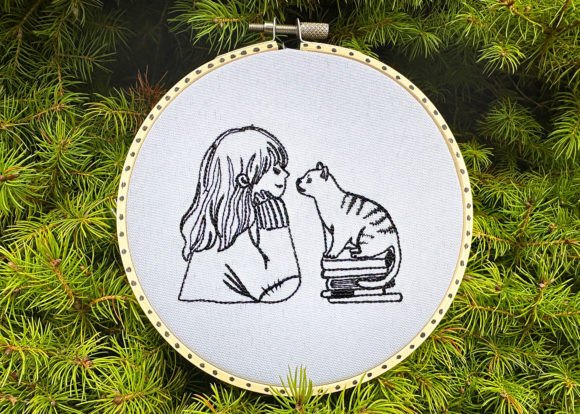
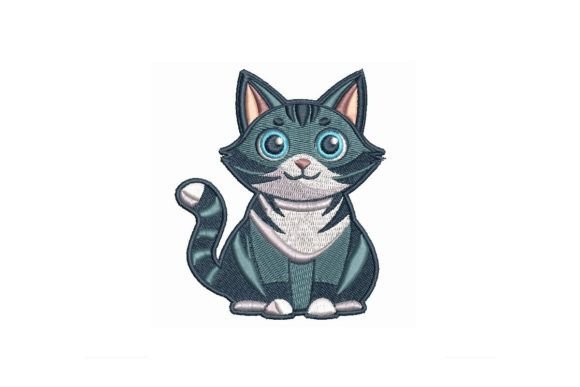
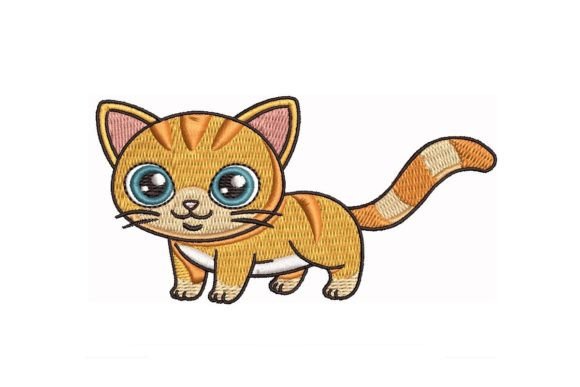
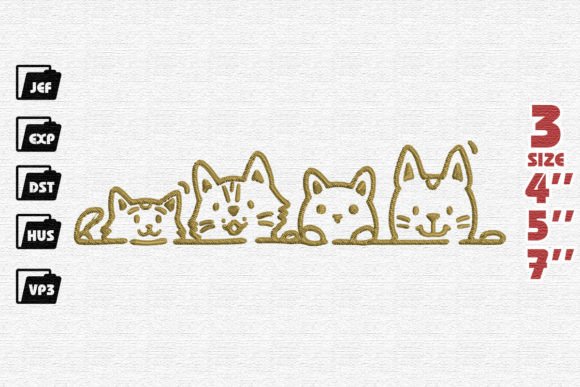
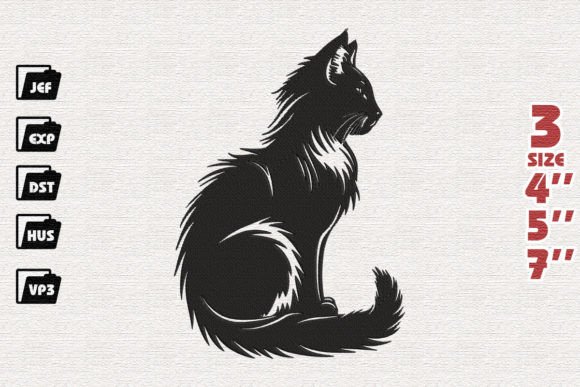
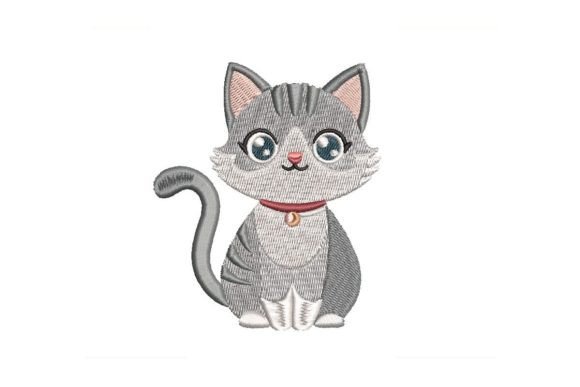
The moment I opened the file in my digitizing software, the layout felt clean and purposeful. Unlike many cat-themed designs that rely on excessive clutter or overly complex shading to convey "cute," this piece relies on strong silhouettes and clear lines. The mood is undeniably warm and inviting, making it an excellent candidate for products that need to evoke comfort or nostalgia. Visually, it strikes a balance between whimsical and refined, which is crucial if you intend to sell finished goods rather than just keeping them for personal use.
For those browsing Cats themed assets, this design stands out because it doesn’t scream for attention; instead, it invites a closer look. The visual personality suggests a product that could easily fit into a boutique nursery collection, a cozy coffee shop’s branded merchandise, or a heartfelt personalized gift. It has the kind of understated charm that translates well into physical form, provided the execution is handled correctly.
Real-World Application: The Custom Sweatshirt Scenario
To truly test this machine embroidery design, I didn’t just run it on a scrap of cotton. I simulated a high-stakes scenario: creating a custom sweatshirt for a client’s birthday gift. The goal was to place the design on the chest area of a heather grey pullover. This is a common request for small shop product creators, and it presents specific challenges regarding contrast and fabric texture.
The 4×4 hoop size proved to be the sweet spot for this application. It is large enough to allow for a meaningful presence on a garment without overwhelming the wearer, yet compact enough to remain comfortable against the skin. When stitching onto the fleece interior of the sweatshirt, the design held its shape beautifully. The thread colors popped against the neutral background, demonstrating that this embroidery file is versatile enough for various apparel decorations. The result looked professional, not like a hobbyist’s first attempt, which is exactly what customers expect when they pay premium prices for custom apparel.
Expanding Beyond Apparel
While the sweatshirt test was successful, the versatility of this embroidery project extends far beyond heavy fabrics. I also considered its potential for lighter items. For instance, applying this design to a linen tea towel or a cotton apron would yield a charming kitchen aesthetic. The clean lines work exceptionally well on flat surfaces where there is no stretch to distort the image. It also makes for an adorable addition to baby clothes or a soft blanket, where the gentle curves of the cat motif feel safe and soothing.
Furthermore, for Etsy sellers looking to diversify their inventory, this design can be adapted into an embroidered patch. By adding a simple border stitch (which may need to be added depending on the specific file structure), it becomes a detachable accessory for denim jackets or tote bags. This adaptability increases the perceived value of the digital embroidery file, allowing you to offer multiple product variations from a single asset.
Technical Considerations and Potential Pitfalls
No design is perfect, and transparency is key for any serious reviewer. There are specific situations where the Little Cat Embroidery Design requires careful handling. First, always check the stitch density. While the design appears balanced on screen, dense fill stitches can sometimes cause puckering on thin fabrics like lightweight t-shirts or delicate hankies. If you plan to use this on such materials, ensure you are using a high-quality cut-away stabilizer to support the fabric during stitching.
Another critical factor is fabric color. The design relies on contrast. On dark fabrics, you will likely need to use a backing stabilizer that matches the fabric or apply a top stabilizer to prevent the white or light threads from showing through. Conversely, on very light fabrics, ensure the thread colors chosen provide enough definition so the cat’s features don’t get lost in the weave.
I also recommend testing this design on curved surfaces, such as baseball caps, with caution. While the 4×4 hoop is manageable, the curvature of a cap can distort straight lines. If you are aiming for a crisp finish on a hat, consider digitizing a smaller version or placing the design on a flat panel before attaching it to the cap. Additionally, inspect the small details closely. If the cat’s eyes or whiskers are rendered in very fine satin stitches, they may require a higher quality machine setting to avoid breakage or fuzziness.
Strategic Advice for Sellers and Makers
For those of you turning this into a craft business income stream, presentation matters. Before listing your handmade products, create printable mockups that show the Little Cat Embroidery Design in context. Show it on a folded sweater, inside a gift box, or paired with complementary items like a matching mug. This helps buyers visualize the finished product and increases conversion rates.
Always verify the licensing terms associated with the file. Even if you have purchased the design, commercial rights vary by creator. Ensure you are permitted to sell the physical items produced from this embroidery project. If you are offering this as a digital product for others to download, make sure you have the correct redistribution rights.
Finally, do your homework on thread selection. The default thread colors in the file are a starting point, but experimenting with different brands and sheens can elevate the look. A matte cotton thread might give a vintage feel, while a polyester rayon thread offers a vibrant, modern shine. Testing these variables on scrap fabric first will save you time and material in the long run.
Final Verdict
The Little Cat Embroidery Design is a solid, well-proportioned asset that delivers on its promise of charm and usability. It is particularly well-suited for personalized gifts, nursery decor, and casual wear. Its performance in the sweatshirt test was exemplary, proving that it can handle the rigors of daily wear while maintaining its aesthetic integrity. For designers and sellers looking to add a touch of warmth to their catalog, this design is a reliable choice. Just remember to respect the fabric limitations, stabilize properly, and always test before committing to a full production run. With careful execution, this design has the potential to become a bestseller in your handmade product lineup.