Lion Embroidery Review
As a designer who spends more time looking at stitch density and thread tension than I do sleeping, I am always skeptical of new digital assets. The market is flooded with "cute" designs that look charming on a screen but turn into a tangled mess once the needle hits the fabric. When I first pulled up Lion Embroidery, my initial reaction was one of cautious optimism. The description promises a touch of charm and whimsy, which are high bars to clear in the world of machine embroidery. After running several test stitches and considering how this would translate to actual products for small businesses and craft fairs, here is my honest breakdown of whether this design belongs in your production queue.
The First Impression: Mood and Visual Personality
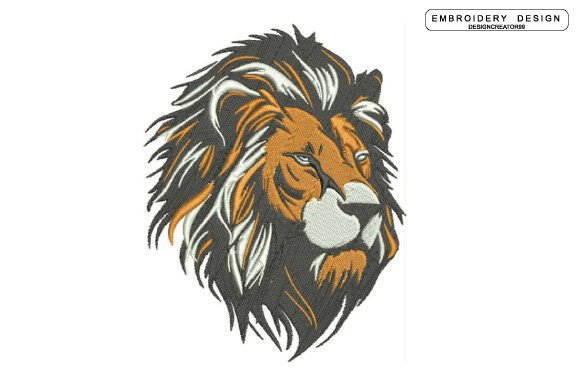
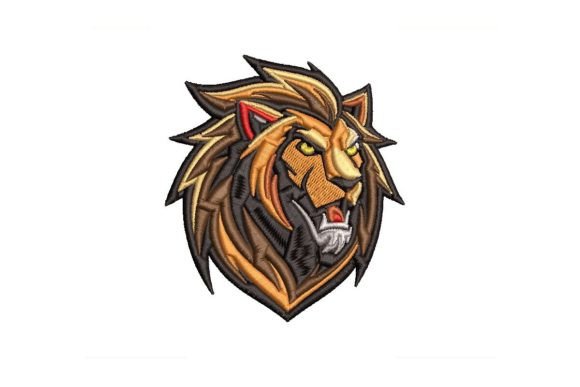
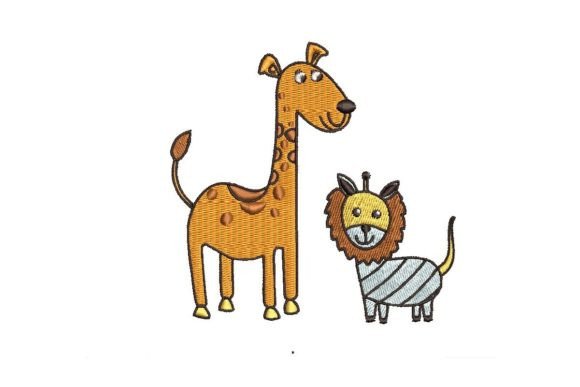
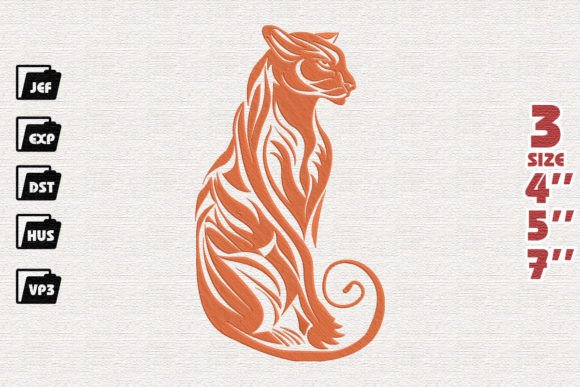
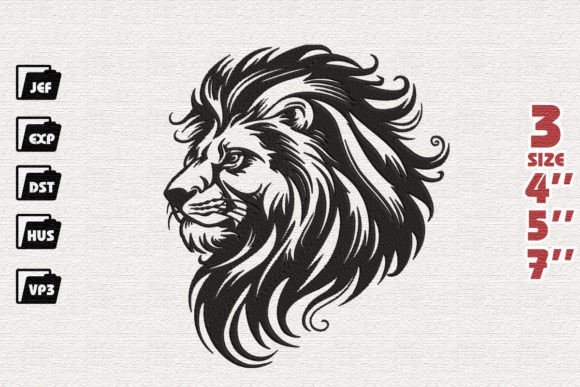
The moment you see the layout of this machine embroidery design, it feels approachable. It isn’t trying to be majestic or terrifying; it is aiming for that sweet spot of "cool" and "whimsical." For designers working in the Wild Animals category, this is a crucial distinction. A realistic lion can feel too heavy or aggressive for many consumer markets, particularly when targeting children’s items or casual home decor. This design strikes a balance. The shape is simplified enough to read clearly from a distance but retains enough character to feel like a deliberate artistic choice rather than a generic clipart stamp.
The visual personality suggests a playful accent. It works best when it is not the sole focus of a garment but rather a companion to typography or other elements. If you are an Etsy seller looking to create a cohesive brand aesthetic, this design offers a consistent tone that says "fun" without sacrificing professionalism. It has a modern graphic quality that translates well to both digital mockups and physical finished products.
Real-World Application: Where It Shines
I evaluated this embroidery file across several common product categories to see where it fits naturally. The versatility of this design is its strongest selling point, provided you understand its limitations.
- Custom Apparel and Sweatshirts: This is perhaps the most obvious use case. Placing this design on the chest of a crewneck sweatshirt or the back of a t-shirt creates an immediate connection with the wearer. The whimsical nature makes it perfect for youth apparel or casual streetwear brands. It adds a layer of personality that plain text cannot achieve.
- Tote Bag Design and Accessories: I tested this concept on canvas tote bags, and the result was striking. The bold lines of the lion hold up well against the textured weave of cotton canvas. It serves as a great standalone graphic for eco-friendly brands or book lovers who want a unique accessory. It also works beautifully as an embroidered patch if you plan to sew it onto denim jackets or backpacks.
- Baby Embroidery and Nursery Decor: The softness of the design makes it ideal for baby clothes, burp cloths, and nursery wall hangings. Parents are often looking for items that are gender-neutral yet engaging. This lion provides a focal point that is friendly and inviting. When paired with neutral thread colors, it becomes a staple item for boutique baby shops.
- Home Decor and Kitchen Towels: Don’t overlook the utility aspect. Stitching this onto tea towels or pillow covers adds a fun accent to modern kitchens. It breaks up the monotony of solid-colored linens and gives the product a handmade feel that customers value highly.
Technical Considerations and Fabric Compatibility
While the design is visually appealing, no designer should blindly upload a file to their machine. Here is what you need to watch out for during the digitizing and stitching process.
Hoop Size and Placement
This design likely requires a moderate hoop size. If you are working with smaller hoops, you may need to scale it down, but be careful. Reducing the size too much can cause fine details to disappear or merge together. Always check the hoop size requirements before committing to a product. For curved surfaces like caps or hats, ensure the design curvature matches the cap’s panel. A flat design placed on a curved surface without proper digitizing adjustments will look distorted.
Thread Colors and Contrast
The success of any embroidery project relies heavily on thread colors. Because this design features distinct shapes, high contrast is key. On dark fabrics, light thread colors will pop, but you must ensure there is enough fill to prevent the fabric texture from showing through. Conversely, on light fabrics, darker threads provide definition. I recommend testing multiple color combinations to see which ones maintain the integrity of the design’s outline.
Stitch Density and Stabilizer
Pay close attention to the stitch density. If the design uses too much fill stitch in a small area, it can become stiff and uncomfortable, especially on baby clothes or delicate fabrics. You want the final product to remain soft to the touch. Using the correct stabilizer is non-negotiable. For stretchy fabrics like t-shirts, a cut-away stabilizer is usually necessary to prevent puckering. For woven fabrics like towels, a tear-away might suffice, but always err on the side of extra support.
Strategic Advice for Sellers and Makers
If you are planning to sell finished products featuring this design, consider the following practical tips to maximize your appeal and minimize returns.
- Test on Scrap Fabric First: Never skip this step. Different fabrics react differently to the same stitch pattern. Test on the exact material you plan to sell.
- Inspect Small Details: Zoom in on your digital preview. Are there tiny corners or thin lines that might get lost in stitching? If so, consider simplifying the design or adjusting the digitizing settings.
- Black and White Mockups: View your design in black and white to check the balance of positive and negative space. This helps you see if the design holds up without the distraction of color.
- Check Licensing: Before listing any items on Etsy or your own shop, confirm the licensing terms. Ensure you have the right to sell finished goods made from this digital embroidery file.
- Create Printable Mockups: Use high-quality images of your embroidered products for online listings. Show the texture and detail to help buyers visualize the handmade product they are purchasing.
Final Verdict
Lion Embroidery is a solid addition to any designer’s library, particularly those focused on whimsical, animal-themed projects. It is versatile enough for commercial embroidery ventures while remaining accessible for hobbyists creating personalized gifts. Its strength lies in its ability to add character without overwhelming the base garment. By paying attention to fabric choice, stabilizer usage, and thread contrast, you can transform this simple design into a high-value product that resonates with customers. Just remember: good embroidery is about more than just the design file; it is about the execution. Treat this design with care, and it will serve your craft business well.