Laurel Frame Embroidery Review
As a designer who spends half the day sketching concepts and the other half troubleshooting stitch errors on the hoop, I don’t just look at an embroidery file’s preview image. I look at its potential. I look at how it will behave when the needle hits the fabric, how it holds up after ten washes, and whether it adds enough perceived value to justify the price tag for my clients. Today, I am putting Laurel Frame Embroidery through that same rigorous practical evaluation. This isn’t about listing specs; it is about determining if this design belongs in your commercial workflow, your Etsy shop, or your personal gift-making stash.
The First Impression: Mood and Visual Personality
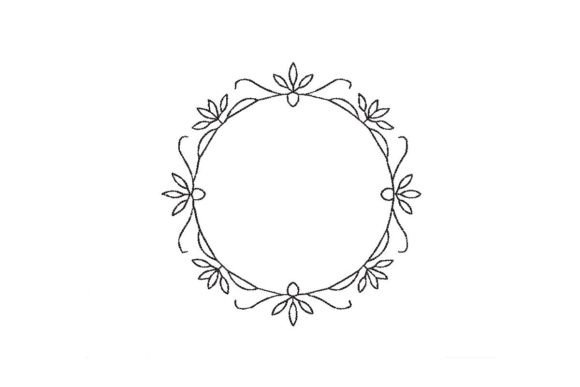
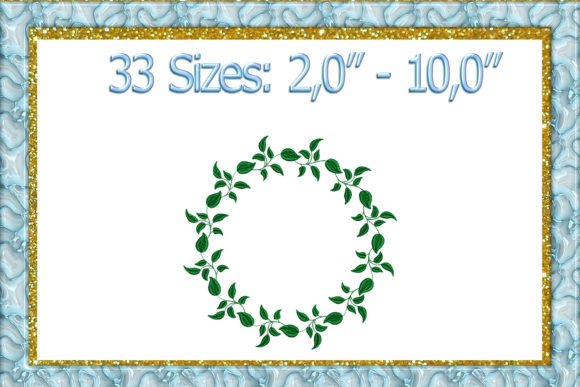
When you first load Laurel Frame Embroidery, the immediate takeaway is one of classic elegance with a modern, clean edge. The laurel wreath has been a staple of heraldry and high-end branding for centuries, but this particular iteration feels lighter than traditional heavy garlands. It creates a sense of sophistication without feeling stuffy or overly formal. The visual personality here is approachable luxury.
The layout is designed as a frame, which immediately suggests its primary utility: monogramming. However, do not limit your imagination to just initials. In my experience, the negative space within the frame is where the magic happens. The leaf details are distinct enough to catch the eye but refined enough not to clutter the center. It feels balanced. If you were to place this on a custom apparel item, it wouldn’t scream for attention; it would whisper quality. That subtle distinction is often what separates a mass-produced craft fair item from a boutique product that commands a higher price point.
Real-World Application: From Hoop to Handheld Product
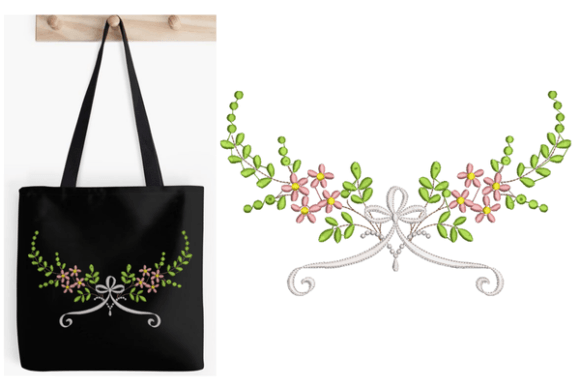
Let’s talk about where this design actually lives in the real world. I recently conceptualized a line of personalized tote bags for a local boutique client, and Laurel Frame Embroidery was the top contender. Why? Because tote bags are utilitarian, but they also serve as walking billboards. A design that looks expensive elevates the entire bag.
Imagine stitching this onto a heavy cotton canvas tote. The laurel leaves provide a nice textural contrast against the flat weave of the canvas. It works beautifully as a central focal point above a customer’s name. But the versatility doesn’t stop there. For small business owners looking to expand into custom apparel, this design translates exceptionally well to sweatshirt embroidery. Placing a framed laurel motif on the chest of a crewneck sweatshirt, perhaps paired with a simple serif font inside the frame, creates a cohesive brand identity that looks like it came from a high-street retailer.
I also see significant potential in the nursery and baby market. Baby embroidery trends have shifted away from loud, cartoonish graphics toward softer, more timeless aesthetics. A delicate laurel frame stitched in soft pastels on a muslin swaddle or a hooded towel feels heirloom-quality. It taps into the desire for personalized gifts that parents feel good about keeping long-term. Similarly, for holiday embroidery projects, this design bridges the gap between seasonal cheer and year-round decor. It can be adapted for Christmas by using deep reds and golds, or for Easter with sage greens and creams, making it a versatile asset for your seasonal inventory.
Apparel and Accessories
- Tote Bag Design: Perfect for center-chest placement on canvas bags, offering a premium look that encourages impulse buys.
- Sweatshirt Embroidery: Ideal for branded merchandise, providing a clean, professional aesthetic that appeals to corporate gifting markets.
- Embroidered Patch: The self-contained nature of the frame makes it excellent for creating iron-on or sew-on patches for denim jackets or backpacks.
- Caps and Hats: When scaled correctly, the circular flow of the laurel fits naturally over the curve of a baseball cap front panel.
Technical Considerations and Fabric Compatibility
No matter how beautiful a design is on screen, its success depends on execution. With Laurel Frame Embroidery, there are specific areas where a designer needs to exercise caution. The design relies heavily on fine detail work within the leaves. If you are working with a very coarse fabric texture, such as a heavy burlap or a thick waffle knit, those finer details may get lost. The thread might sink into the weave, blurring the crisp lines that give the design its character.
Stretchy fabrics present another challenge. While the laurel shape is generally stable, any curved elements can distort if the stabilizer choice is incorrect. Always use a cut-away stabilizer for knits to prevent puckering during wear. For woven fabrics like linen or cotton, a tear-away may suffice, but test first. I cannot stress enough the importance of testing the design on scrap fabric before committing to a finished product. Check the stitch density closely. If the fill stitches are too dense, the fabric may pucker; if too sparse, the background material might show through, ruining the opacity of the leaves.
Another critical factor is thread color contrast. On dark fabric, you will need a underlay or a specific thread choice to ensure the laurel pops. Light threads on dark backgrounds can sometimes appear translucent unless the stitch coverage is robust. Conversely, dark threads on light fabric offer high visibility but require careful hooping to avoid showing the backside tension marks on the front.
Where to Use Carefully
- Small Hoop Sizes: Ensure the design fits comfortably within your machine’s smallest hoop to avoid unnecessary trimming or re-hooping.
- Textured Fabrics: Avoid using this on highly textured surfaces like bouclé or heavy tweed, as details will be obscured.
- Thin Fabric: On sheer materials, the density of the satin stitches might create unwanted stiffness or transparency.
- Curved Surfaces: When embroidering on caps or bags with complex curves, verify that the design distorts minimally.
Impact on Brand Value and Customer Trust
In the digital age, customers judge quality by the finish. A poorly executed embroidery job can undermine even the best product concept. However, a well-stitched embroidery project like the one created with Laurel Frame Embroidery signals professionalism. It tells the buyer that you care about details. For Etsy sellers and small shop products, this level of polish is crucial for building trust.
Furthermore, this design enhances giftability. Whether it is a wedding gift, a birthday present, or a corporate token, a framed monogram feels intentional and thoughtful. It allows for personalization without being overly trendy, ensuring the finished product remains relevant for years. This longevity is a key selling point for customers who are wary of fast fashion or disposable crafts.
Practical Designer Notes for Implementation
Before you upload Laurel Frame Embroidery to your machine, take these steps to ensure success:
- Test on Scrap: Always run a test stitch-out on the actual fabric you plan to use. This reveals issues with tension, stabilizer compatibility, and color contrast.
- Check Stitch Density: Review the file structure if possible. Ensure the fill stitch and satin stitch combinations are balanced to prevent bulkiness.
- Mockup in Black and White: Convert your digital mockup to grayscale. This helps you assess the contrast and readability of the design independent of color bias.
- Verify Licensing: Confirm whether the digital embroidery file license allows for commercial use of finished items. This is vital for craft business owners to avoid legal issues.
- Choose Proper Stabilizer: Match the stabilizer weight to the fabric weight. Heavy fabrics need heavy stabilizers; light fabrics need lightweight options.
Ultimately, Laurel Frame Embroidery is a versatile, elegant addition to any designer’s library. It bridges the gap between traditional motifs and modern minimalism, making it suitable for a wide range of applications from commercial embroidery to heartfelt handmade gifts. By paying attention to fabric choice, stabilization, and thread selection, you can transform this digital asset into a tangible product that delights customers and strengthens your brand reputation.