Grinning Fish Embroidery Design Review
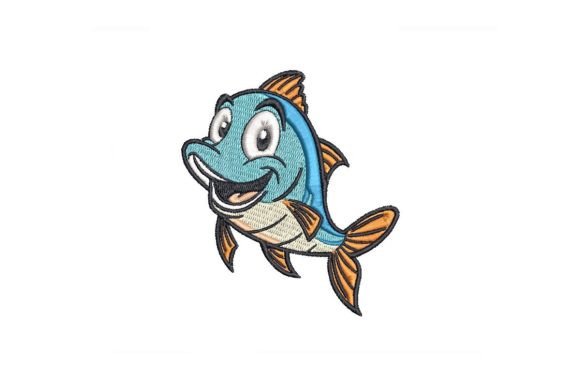
As an embroidery designer who has spent years refining digital patterns for both personal hobbies and commercial product lines, I approach every new file with a mix of excitement and skepticism. When I first pulled up the Grinning Fish Embroidery Design, my immediate reaction was one of delight. It is not just another generic fish pattern; it carries a distinct mood that feels playful yet polished enough for high-end retail. Tailored specifically for a 4×4 hoop size, this design hits that sweet spot for versatility, making it an ideal candidate for a wide array of personalized gift products.
In this review, I am putting myself in the shoes of a small business owner preparing inventory for a boutique gift shop. I want to know: Does this design translate well from screen to fabric? Will it resonate with customers looking for meaningful keepsakes? And most importantly, will it hold up under the scrutiny of real-world use?
First Impressions and Emotional Appeal
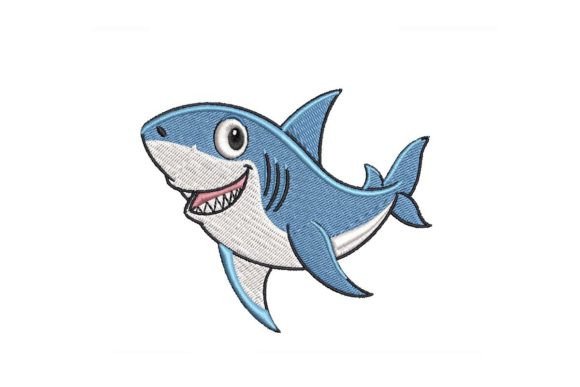
The Grinning Fish Embroidery Design exudes a sense of joy and whimsy. The character’s expression is charming without being overly childish, which allows it to bridge the gap between nursery decor and adult-oriented home goods. From a design perspective, the line work appears clean, suggesting that the digitization process was handled with care. This is crucial for maintaining the integrity of the image when stitched out.
For an Etsy seller or a crafter looking to add unique items to their catalog, the emotional appeal of this design is its strongest asset. It evokes feelings of nostalgia and lightheartedness. Whether you are creating a gift for a new parent or a teacher who loves the ocean, the grinning motif offers a warm, welcoming vibe. It feels handmade and thoughtful, qualities that drive engagement on social media platforms like Pinterest and Instagram.
Application in Personalized Gift Products
One of the primary reasons I test designs for specific hoop sizes is to determine their practical application. A 4×4 inch canvas is compact but impactful. Here is how I envision the Grinning Fish Embroidery Design performing across various product categories:
- Baby Embroidery: This design would look adorable on a muslin burp cloth, a soft cotton blanket, or a hooded towel. The playful nature of the fish makes it perfect for a baby shower gift, appealing to parents who want something fun rather than traditional.
- Kitchen and Dining: An embroidered towel featuring this fish could serve as a charming addition to a kitchen set. It adds personality to everyday items, making it a great option for housewarming gifts or wedding registries.
- Wedding Keepsakes: For couples with a beach theme or a love for marine life, custom tote bags or aprons embroidered with this design can serve as unique favors or thank-you gifts for the bridal party.
- Nursery Decor: Pillow covers or wall hangings using this design can bring a touch of whimsy to a child’s room. The limited color palette often found in these files usually complements neutral nursery themes beautifully.
- Custom Tote Bags: As a staple item for many crafters, the tote bag remains a popular choice. Placing the fish centrally or off-center on a canvas tote creates a stylish, casual accessory suitable for grocery runs or library visits.
By positioning the Grinning Fish Embroidery Design within these contexts, you are not just selling a piece of threadwork; you are selling a memory or a feeling. This shift in perspective is what elevates a simple craft project into a valuable handmade product.
Strategic Considerations and Careful Placement
While the design is charming, no single file is perfect for every surface. As a professional, I must advise caution in certain applications to ensure customer satisfaction and product longevity.
First, consider the fabric texture. While smooth cottons and linens are ideal, thick towels or heavily textured fabrics may obscure the finer details of the fish’s grin. If you are working with plush materials, you may need to adjust your stitching density or use a tear-away stabilizer to prevent the fabric from swallowing the design.
Additionally, be mindful of stretchy fabrics such as those used in baby clothes or fitted t-shirts. Without proper stabilization, the design may pucker or distort after washing. Always conduct a test run on scrap fabric that mimics the final garment’s properties. If you are embroidering on curved surfaces, such as the front panel of a hat or the rounded edge of a bag, remember that a rigid 4×4 hoop may not accommodate the curve perfectly, potentially leading to alignment issues.
Dark fabrics present another challenge. Depending on the default thread colors provided in the embroidery file, light-colored threads may get lost against a black background. I recommend creating a mockup to check contrast levels before committing to production. If the design lacks sufficient contrast, you may need to manually adjust the thread colors in your software to ensure visibility.
Impact on Giftability and Perceived Value
The quality of your embroidery directly influences the perceived value of your finished product. A well-executed machine embroidery design signals professionalism and attention to detail. When a customer receives a gift with crisp stitches, neat backings, and vibrant colors, they perceive higher value and are more likely to leave positive reviews.
Furthermore, the Grinning Fish Embroidery Design lends itself well to product photography. Its bright and engaging subject matter stands out in photos, which is essential for online sales. High-quality images of your finished products can significantly boost buyer engagement and conversion rates. By showcasing the design on various items—such as a stack of folded towels or a displayed pillow—you help customers visualize the product in their own homes.
Trust is also built through consistency. Using a reliable digital embroidery file ensures that every unit you produce looks identical. This reliability is crucial for building a reputation as a dependable seller, whether you are operating a physical stall at a craft fair or managing an online storefront.
Practical Embroidery Notes for Success
To ensure the best results when incorporating the Grinning Fish Embroidery Design into your workflow, follow these practical steps:
- Test on Scrap Fabric: Never assume a design will stitch out perfectly on your target material. Always run a test on a similar fabric type to check for puckering, tension issues, or detail loss.
- Check Thread Color Contrast: Verify that the chosen thread colors provide enough contrast against your fabric. Adjusting colors digitally can save time and material costs.
- Confirm Hoop Size: Ensure your machine’s hoop matches the 4×4 requirement. If your design extends beyond this boundary, you may need to reposition it or choose a different product.
- Review Stitch Density: High-density areas can make fabric stiff, while low-density areas may show the backing material. Adjust settings if necessary to balance durability and aesthetics.
- Use Proper Stabilizer: Select a stabilizer appropriate for your fabric weight. Cut-away stabilizers are generally recommended for garments that will be washed frequently, while tear-away works well for stable woven fabrics.
- Compare Mockups: Create digital mockups to visualize the final product. This helps in identifying potential issues before cutting fabric.
- Check Small Details: Zoom in on the digitized file to inspect small elements like eyes or scales. Ensure they are clear and not too fine to stitch accurately.
- Confirm Commercial Licensing: Before selling finished products, verify that you have the appropriate commercial license for the commercial embroidery file. This protects you from legal issues and supports the original designer.
By following these guidelines, you can maximize the potential of the Grinning Fish Embroidery Design and create beautiful, marketable gifts that customers will cherish. Whether you are a seasoned pro or just starting your journey in custom embroidery, this design offers a delightful opportunity to connect with buyers through the art of needle and thread.