Floral Embroidery Digital Papers Bundle Review
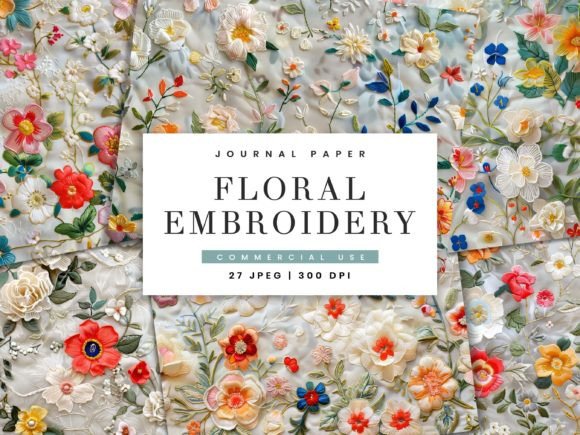
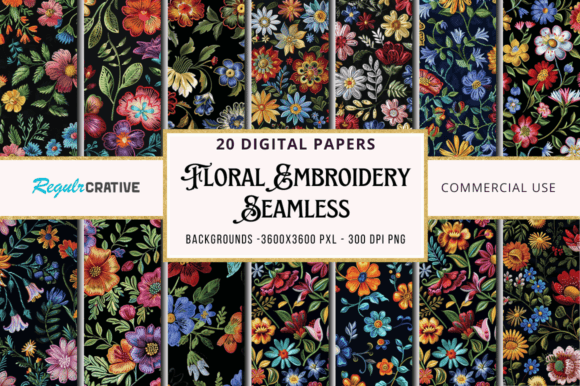
As a designer who spends more time staring at stitch lines than sleeping, I approach every new asset with a healthy dose of skepticism. The market is flooded with "pretty" designs that look great on screen but fall apart when the needle hits the fabric. Recently, I pulled the Floral Embroidery Digital Papers Bundle into my workflow to see if it holds up in a real-world commercial setting. This collection, described as twenty beautifully crafted papers inspired by classic aesthetics, promises to elevate background elements and textural depth in embroidery projects. But does it deliver practical value for the busy embroiderer, or is it just another digital clutter?
I put this bundle through its paces not just as a static image, but as a potential component of finished goods. My goal was to determine if these graphics could seamlessly integrate into custom apparel, boutique merchandise, and personalized gifts without looking cheap or overly complex.
First Impressions: Mood and Visual Personality
The immediate takeaway from the Floral Embroidery Digital Papers Bundle is its cohesive vintage-modern balance. In embroidery, "classic" can sometimes read as dated, but these papers strike a chord that feels timeless yet fresh. The floral motifs are intricate enough to suggest luxury but structured enough to translate well into thread.
Unlike solid fill patterns that can overwhelm a garment, these papers act as sophisticated backgrounds. They create a sense of depth and texture that mimics woven fabrics or high-end stationery. For an Etsy seller or small shop product creator, this visual appeal translates directly to perceived value. A customer scrolling through a listing sees a design that looks intentional and curated, rather than slapped on. The layout allows for flexibility; you aren't forced into a single rigid composition. Instead, you have a toolkit of textures that can frame lettering, highlight a logo, or stand alone as a statement piece on a tote bag or apron.
Real-World Application: From Screen to Stitch
Let’s talk about actual use cases. I tested the versatility of this bundle by conceptualizing three distinct project types where Floral Embroidery Digital Papers Bundle assets would shine.
- Custom Apparel and Sweatshirts: Imagine a heavyweight cotton sweatshirt for a boutique brand. Using one of these floral papers as a large back print or a centered chest graphic adds a layer of sophistication that simple line art cannot achieve. It works particularly well when paired with minimal typography. The contrast between the detailed floral background and clean, bold letters creates a professional custom apparel look that appeals to customers seeking quality over trendiness.
- Baby Items and Nursery Decor: Softness is key here. The delicate nature of the classic floral inspiration makes these papers ideal for baby clothes, blankets, and nursery wall hangings. When digitized correctly, the fine details of the papers can mimic the softness of watercolor prints. For a personalized gift, such as a monogrammed onesie or a crib sheet, these backgrounds provide a gentle, elegant frame that doesn’t distract from the personalization.
- Home Goods and Kitchen Textiles: Tea towels, pillow covers, and kitchen aprons benefit greatly from textured backgrounds. A plain white tea towel can feel utilitarian, but adding a subtle floral paper pattern along the hem or border elevates it to a decorative object. This is where the Backgrounds category truly shines. These graphics allow crafters to create printable mockups and digital previews that look incredibly realistic, helping buyers visualize the final product before purchasing.
Technical Considerations and Design Challenges
While the aesthetic is strong, no designer reviews a product honestly without addressing the pitfalls. Translating complex digital papers into physical embroidery requires careful planning. Here is where things get tricky.
Stitch Density and Clarity: Floral papers often contain high levels of detail. If you attempt to replicate every tiny petal or leaf with thread, you risk creating a dense, heavy mass of stitches that can pucker the fabric. It is crucial to simplify the design during the digitizing phase. Use satin stitch for outlines and fill stitch sparingly, perhaps using long-and-short stitches to simulate the organic feel of the flowers rather than trying to photorealistically render them. Over-stitching can ruin the lightness of the original digital paper.
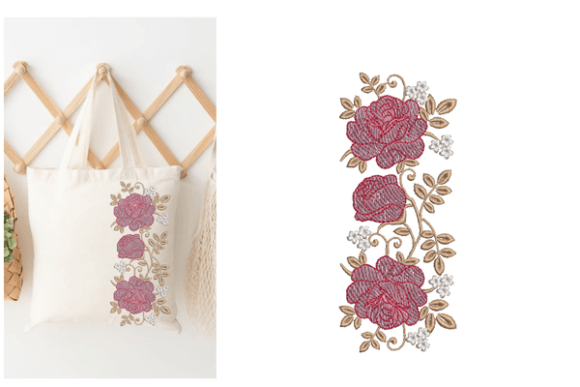
Fabric Selection: These designs demand a stable base. Avoid using them on thin, stretchy, or highly textured fabrics unless you are an expert with stabilizers. A tote bag design made of heavy canvas works well because the fabric can support the weight of the threads. However, applying this to a delicate silk blouse or a stretchy synthetic blend could lead to distortion. Always test on scrap fabric first to ensure the stabilizer choice is adequate.
Color Contrast: The effectiveness of a floral background relies heavily on thread color contrast. On dark fabric, light-colored threads might get lost, while on light fabric, dark threads might appear too harsh. I recommend testing your chosen thread colors against your intended fabric swatch. Also, consider how the design looks in black and white; if the tonal values don't separate well, the intricate details will merge into a muddy blob.
Where to Exercise Caution
There are specific scenarios where the Floral Embroidery Digital Papers Bundle might not be the best fit:
- Small Hoop Sizes: Trying to fit a complex floral paper into a 4x4 hoop or smaller can result in loss of detail. These designs need breathing room to show their personality.
- Curved Surfaces: While they work well on flat panels like aprons or bags, applying intricate paper patterns to curved surfaces like caps or hats can cause stretching and misalignment issues.
- Dense Stitch Areas: If the design includes small lettering or tiny logos, ensure the floral background doesn't compete for attention. The focal point should remain clear.
Impact on Brand and Customer Trust
For commercial embroidery professionals, consistency is everything. Using a cohesive set of design assets like this bundle helps maintain a recognizable brand style across different products. Whether you are selling embroidered patches, holiday embroidery kits, or design assets for other creators, having a library of high-quality, matching backgrounds builds trust. Customers associate polished, well-executed designs with reliability and professionalism.
Furthermore, these papers enhance the "giftability" of handmade products. A handmade product that features thoughtful, layered design elements feels more special and considered. It signals to the buyer that the maker invested time and care into the creation, which justifies a higher price point and encourages repeat business.
Practical Designer Notes Before You Start
If you decide to incorporate the Floral Embroidery Digital Papers Bundle into your workflow, keep these practical tips in mind:
- Check Licensing: Before selling any finished items or digital products derived from this bundle, carefully review the license terms. Ensure you have the right to use the graphics commercially, especially if you are an Etsy seller or running a craft business.
- Digitize with Intent: Do not simply trace the image. Analyze the shapes and convert them into efficient stitch paths. Use running stitch for fine details and applique design techniques if you want to add fabric layers for true texture.
- Test Rigorously: Always run a test stitch on the actual fabric you plan to use. Check for puckering, thread breaks, and color accuracy. Adjust your hoop size and tension settings as needed.
- Verify File Formats: Ensure the files you receive are compatible with your digitizing software. Most professional workflows require standard formats, so confirm compatibility before starting your project.
In conclusion, the Floral Embroidery Digital Papers Bundle is a valuable addition to the toolkit of any serious embroiderer. It offers a versatile, elegant solution for enhancing backgrounds and adding visual interest to a wide range of projects. By understanding its strengths and limitations, you can transform these digital graphics into stunning, market-ready embroidered products that stand out in a crowded marketplace.