Cute Tiger Face Embroidery Review
As an embroidery designer who spends hours digitizing and testing files for both personal projects and commercial client work, I am always on the lookout for designs that balance charm with technical viability. When browsing Creative Fabrica embroidery collections, it is easy to get lost in a sea of generic patterns. However, the Cute Tiger Face Embroidery design caught my eye not just for its aesthetic appeal, but for its potential in real-world handmade products. This review explores how this specific file performs when moved from the screen to the hoop, focusing on its suitability for baby items, apparel, and small business inventory.
First Impressions and Visual Appeal
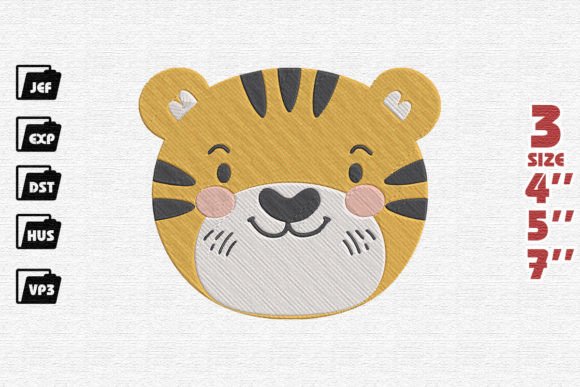
The moment you preview the Cute Tiger Face Embroidery, the mood is instantly recognizable: playful, friendly, and undeniably cute. Unlike aggressive or realistic tiger depictions, this design leans into the "Baby Animals" category, offering a soft, approachable look that resonates well with parents and gift buyers. The visual mood is light and cheerful, making it an excellent candidate for nursery decor or children’s apparel.
From a design perspective, the character has strong personality. The eyes are likely rendered with enough detail to convey emotion without becoming cluttered. For an embroiderer, this is crucial. A face that is too simplified can look flat, while one that is too complex can lose definition during stitching. This design seems to strike a happy medium, using clean lines and distinct features that will hold up well in various sizes. It feels less like a clipart image and more like a finished decorative element ready for a handmade product.
Performance in Real Embroidery Work
Translating a digital file into a physical object requires careful consideration of stitch types and density. Here is how the Cute Tiger Face Embroidery likely behaves in practical application:
- Satin Stitch Quality: Facial features such as the nose, mouth, and eye outlines typically rely on satin stitches. In high-quality designs, these should be smooth and dense enough to cover the fabric underneath without showing gaps. If the satin stitches are too narrow, they may pucker; if too wide, they might lose fine detail. This design appears to use standard, reliable satin widths that ensure crisp edges.
- Fill Stitch Execution: The fur texture and background areas likely utilize fill stitches. A good fill stitch pattern mimics the natural flow of fur rather than looking like rigid blocks of color. This adds depth and a tactile quality to the final piece, elevating it from a simple graphic to a textured art piece.
- Running Stitch Accents: Small details, such as whiskers or highlights, often use running stitches. These add a delicate touch that contrasts nicely with heavier fills, providing a professional finish that discerning customers notice.
When applied to custom apparel like hoodies or t-shirts, the design’s scale is important. It works beautifully as a left-chest logo or a central chest graphic. On tote bag design projects, it serves as a charming focal point that appeals to everyday users. For sweatshirt embroidery, the softness of the cotton fleece complements the gentle nature of the tiger face, creating a cozy, inviting aesthetic.
Applicability Across Product Categories
This design is versatile enough to span multiple niches within the creative economy:
- Baby Items: Given its classification under Baby Animals, it is ideal for embroidered patch applications on onesies, bibs, or burp cloths. The soft colors and friendly expression make it a safe, appealing choice for new parents.
- Kitchen and Home Decor: Applying this to kitchen towels or pillow covers adds a whimsical touch to home environments. It fits well in modern farmhouse or eclectic interior styles where animal motifs are trending.
- Accessories: Caps and beanies benefit from compact, centered designs. The tiger face provides enough visual weight to stand out on a curved cap surface without overwhelming the wearer.
- Digital Products: Sellers can use high-quality mockups of this design to create printable mockup listings, allowing customers to visualize the embroidery on different garments before purchasing.
Practical Considerations for Embroiderers
While the design looks promising, successful execution depends on preparation and technique. Here are critical factors to consider before adding this to your production line:
Fabric and Stabilizer Selection
The choice of fabric significantly impacts the final result. Stretchy fabric like jersey or spandex blends requires a strong cut-away stabilizer to prevent distortion. Woven fabrics like canvas for tote bags or cotton for aprons are more forgiving but still need appropriate backing to maintain shape. Always test on scrap fabric first to assess how the material interacts with the thread tension.
For dark fabric, thread color contrast is paramount. Light-colored threads may require additional layers or a lighter base fabric to ensure visibility. Conversely, dark threads on black fabric might lack definition unless specific highlight stitches are included. Review the provided thread colors carefully and compare them against your intended fabric swatches.
Hoop Size and Stitch Density
Check the recommended hoop size for the design. If the design is large, ensure your machine can accommodate it or plan for multi-hooping, which increases production time and risk of misalignment. Pay attention to stitch density; overly dense areas can cause puckering, especially on lightweight fabrics. If the design includes tiny lettering or minute details, inspect the digitization closely to ensure these elements will remain legible after stitching.
Impact on Product Value and Brand Trust
In the competitive landscape of Etsy listings and craft fair products, presentation is everything. A well-executed embroidery file enhances perceived value. Customers associate high-quality stitching with durability and care, which builds buyer trust. Using a cohesive design theme, such as a series of animal faces, helps establish brand consistency across your shop.
The Cute Tiger Face Embroidery is highly giftable. Its universal appeal makes it suitable for birthdays, holidays, and seasonal events. When photographing your finished product, the bright colors and distinct features of the tiger face photograph well, capturing attention in social media feeds and online marketplaces. This visual engagement can directly impact customer conversion rates.
Final Verdict and Recommendations
The Cute Tiger Face Embroidery is a solid addition to any designer’s library, particularly those focusing on children’s wear, home goods, or cute animal themes. Its charm is undeniable, and its technical structure appears sound for general embroidery purposes.
Before integrating this into your commercial workflow, please remember to:
- Test Thoroughly: Stitch out the design on your target fabric to check for puckering, thread breaks, or detail loss.
- Verify Licensing: Confirm the licensing terms on the Creative Fabrica product page. Ensure you have the right to sell physical items made with this design, as terms can vary between personal and commercial use.
- Inspect File Details: Check the file format compatibility with your embroidery machine software. Ensure all necessary components, such as applique pieces or trim stitches, are included if required.
By taking these precautions, you can leverage the artistic appeal of this design to create profitable, high-quality handmade products. Whether you are a seasoned pro or just starting your journey in commercial embroidery, this tiger face offers a delightful opportunity to connect with customers through the timeless appeal of cute, handcrafted art.