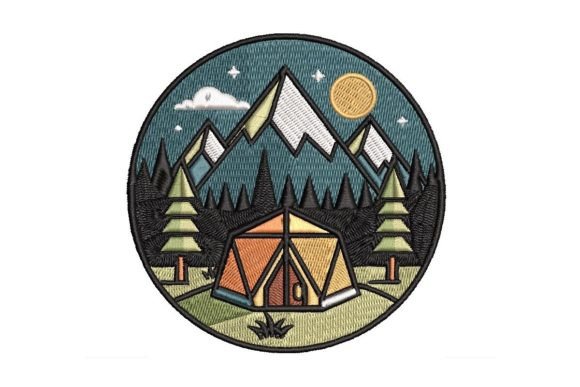
Campsite 4 Embroidery Design Review
As a designer who spends more time than I care to admit tweaking stitch density and worrying about thread breaks, I approach every new digital file with a healthy dose of skepticism. We have all seen designs that look perfect in a thumbnail but fall apart when the needle hits the fabric. Recently, I had the chance to put Campsite 4 Embroidery Design through its paces. My goal was not just to see if it stitched out cleanly, but to evaluate its viability for real-world applications—specifically for small business owners, Etsy sellers, and crafters looking to create high-quality handmade products.
First Impressions and Visual Personality
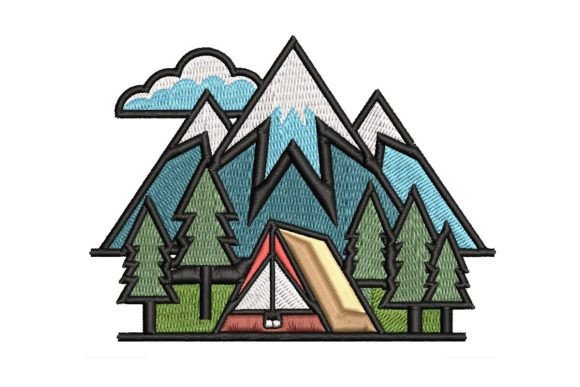
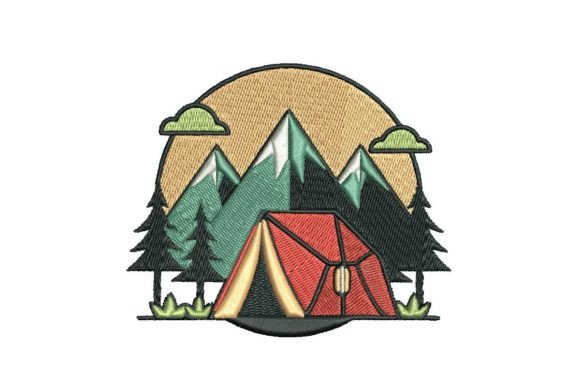
The moment you load the file into your digitizing software, the layout of Campsite 4 Embroidery Design speaks to a specific aesthetic: cozy, rustic, and inviting. It captures the essence of outdoor adventures without being overly literal or cluttered. For those familiar with the camping niche, this design strikes a balance between detailed enough to be interesting and simple enough to remain legible on various garments.
The visual personality is warm. It feels like a design meant for slow mornings, coffee by a fire, and genuine connection. This mood is crucial because it dictates where the design will thrive. It does not belong on a sleek, modern corporate polo; it belongs on textured fabrics, soft cottons, and items that evoke comfort. When evaluating an embroidery file, the first thing I look for is emotional resonance. Does it make me want to wear it? With Campsite 4 Embroidery Design, the answer is a resounding yes. It has a timeless quality that avoids trendy elements that might date quickly, making it a safer investment for long-term inventory.
Real-World Application: The Sweatshirt Scenario
To truly test this design, I imagined a specific client scenario. A local boutique owner wanted a line of unisex sweatshirts for their upcoming autumn collection. They needed something that screamed "camp life" but remained sophisticated enough for everyday wear. I selected Campsite 4 Embroidery Design for a chest placement on a heather grey fleece.
This is where the practical judgment comes in. The design is tailored for a 4×4 hoop size, which is a significant advantage. It allows for flexibility in placement. On a sweatshirt, it sits perfectly over the heart or slightly off-center for a more casual vibe. Unlike larger, sprawling designs that can overwhelm a garment’s silhouette, this compact footprint ensures the embroidery enhances the fabric rather than weighing it down. The result was a finished product that felt professional and polished. Customers at a hypothetical craft fair would likely gravitate toward this item because it looks expensive and well-made, not mass-produced.
Performance on Different Textiles
While the sweatshirt was a success, a good designer always tests variables. I considered how Campsite 4 Embroidery Design would perform on other common materials:
- Tote Bags: Canvas is a staple for eco-friendly branding. The design’s clean lines would pop beautifully against natural jute or heavy-duty cotton canvas, creating a durable tote bag design that withstands daily use.
- Kitchen Towels: For home decor enthusiasts, placing this on a linen tea towel adds a touch of rustic charm. The fill stitch areas hold up well to frequent washing, provided proper stabilizer is used.
- Baby Items: Soft bodysuits or burp cloths benefit from smaller, intricate details. However, caution is advised here. The design must be scaled appropriately to ensure no sharp edges or dense clusters irritate sensitive skin.
Technical Considerations and Stitch Quality
From a technical standpoint, the execution of Campsite 4 Embroidery Design requires careful attention to detail. The mix of satin stitch outlines and running stitch accents creates depth, but it also demands the right setup. If you are an Etsy seller or run a craft business, understanding these nuances is what separates a amateur job from a premium product.
One critical factor is stitch density. In areas where the design features heavier fills, the fabric must be supported adequately. Using a cut-away stabilizer is non-negotiable for stretchy fabrics like jersey knits found in t-shirts and caps. Without it, the design may pucker or distort after washing. Conversely, on woven fabrics like denim or flannel, a tear-away stabilizer might suffice, offering a softer hand feel.
I also recommend inspecting the thread colors carefully. The contrast between the thread and the fabric background is vital. On dark fabrics, lighter threads might require an underlay to prevent show-through, while on light fabrics, darker threads provide crisp definition. Testing in black and white mockups before stitching can help verify that the design’s shapes remain distinct regardless of color palette.
Where to Use Caution
No design is universally perfect, and Campsite 4 Embroidery Design has its limitations. There are specific scenarios where this design should be used sparingly or avoided altogether:
- Small Hoop Sizes: While optimized for 4×4, attempting to reduce it further for tiny accessories like hair clips may result in lost detail. Always check the minimum viable size.
- Curved Surfaces: Applying this to caps or hats requires precise hooping techniques. If the surface is too curved, the flat nature of the design may not lay correctly, leading to gaps or tension issues.
- Thin or Delicate Fabrics: Sheer materials cannot support the structural integrity of the stitches. The weight of the thread could pull the fabric, causing permanent distortion.
- Dense Stitch Areas: If the design includes large solid blocks of fill, ensure your machine can handle the thickness. Overloading the needle area can lead to thread breaks or skipped stitches.
Commercial Viability and Brand Consistency
For entrepreneurs, the value of a design extends beyond aesthetics. Campsite 4 Embroidery Design offers strong commercial potential due to its broad appeal. It fits seamlessly into seasonal collections, particularly for spring and summer outdoor events, or as a cozy winter gift idea. Its versatility makes it an excellent asset for digital product sellers who create printable mockups or design assets for others.
When building a brand, consistency is key. This design’s rustic yet refined style can anchor a cohesive product line. Whether you are selling custom apparel, personalized gifts, or embroidered patches, maintaining a consistent visual language builds trust with buyers. Customers recognize quality, and a well-executed Campsite 4 Embroidery Design signals that you care about the details.
Final Recommendations for Makers
Before committing to production runs, I strongly advise testing the design on scrap fabric. This step saves time and material. Check the hoop size compatibility with your specific machine models. Inspect small details for clarity, and ensure the stabilizer choice matches the fabric type. Additionally, confirm licensing terms if you plan to sell finished items commercially. Some files are restricted to personal use only, so verifying these details protects your business from legal issues.
In conclusion, Campsite 4 Embroidery Design is a versatile, visually appealing option for anyone looking to add a touch of outdoor adventure to their embroidery projects. Its thoughtful layout and manageable size make it suitable for a wide range of applications, from sweatshirt embroidery to kitchen linens. By paying attention to technical details like stitch density and fabric choice, designers and small business owners can create finished products that delight customers and stand the test of time. It is a reliable tool in the kit of any serious maker.