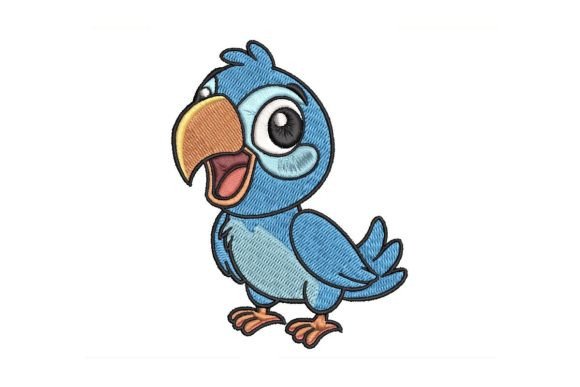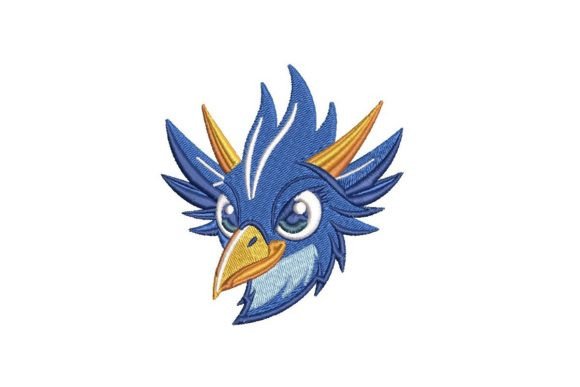
Blue Bird of Paradise Embroidery Design Review
As an embroidery designer who spends weekends hunched over a table at craft fairs, I have learned that the difference between a sale and a blank stare often comes down to one thing: visual impact at arm’s length. When I received the Blue Bird of Paradise Embroidery Design, my first thought was not about the stitch count or the file format. My first thought was, "Will this stop a passerby?" This review is a real-world assessment of how this machine embroidery design performs when you are trying to turn digital assets into tangible craft fair products.
First Impressions: The Visual Hook
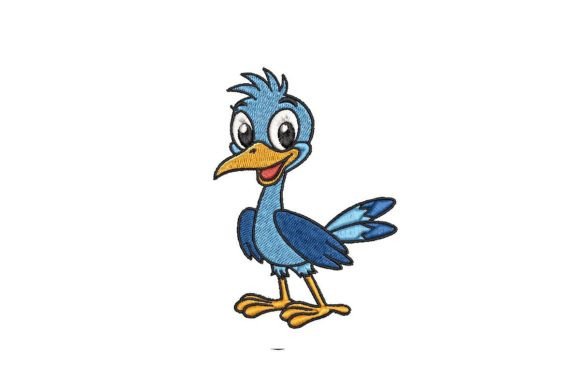
The title suggests a vibrant, exotic subject, but in the world of handmade goods, subtlety often wins. Based on the description, this design appears to balance elegance with approachability. For a booth display, you need items that read clearly from three feet away. A Blue Bird of Paradise offers a natural focal point because of its inherent color contrast—the deep blues against likely warm foliage or neutral backgrounds creates immediate visual interest.
When I imagine placing this on a table covered in linen, it feels premium yet accessible. It does not scream "cheap souvenir"; instead, it whispers "handcrafted quality." This distinction is crucial for Etsy sellers and boutique makers who want to justify higher price points. The design likely carries a decorative weight that elevates simple cotton items into giftable treasures.
Product Application: Where It Shines
To maximize the return on your embroidery file, you must choose the right canvas. Not all products will do justice to the intricate details of a bird design. Here is where I see the highest potential for sales:
- Tote Bags and Market Bags: A large tote bag provides ample negative space. Placing the Blue Bird of Paradise Embroidery Design slightly off-center on a sturdy canvas tote creates a modern, artistic look. Customers love bags they can carry around while shopping at other booths—it is essentially mobile advertising for your brand.
- Kitchen Aprons and Tea Towels: These are high-volume sellers. On a white or cream apron, the blue tones will pop beautifully. However, be mindful of fabric texture; heavily woven flour-sack towels may distort fine feather details. Stick to smooth cotton blends for the crispest result.
- Fabric Pouches and Hankies: For smaller items, this design serves as a charming accent. If the hoop size allows for a scaled-down version, it works wonderfully on small zippered pouches used for cosmetics or knitting supplies. It adds a touch of whimsy that appeals to gift buyers.
- Pillow Covers: Home decor is a growing segment for handmade markets. A square pillow cover featuring this bird as a central motif feels cozy and inviting. It fits perfectly in farmhouse or coastal-themed home decor collections.
Avoid using this design on highly textured surfaces like thick fleece or heavily ribbed knit fabrics unless you have tested it thoroughly. The complexity of feathers requires a smooth base to maintain clarity.
Selling Points and Customer Attention
At a craft fair, your finished product needs to tell a story before you even speak. The Blue Bird of Paradise evokes feelings of tropical escapes, freedom, and nature. This emotional connection drives impulse buys. When a customer sees the detailed stitching of the wings, they perceive value. They see hours of labor and skill, which justifies the price tag.
Furthermore, this design photographs exceptionally well for online listings. The contrast between the blue bird and typical neutral backgrounds (white, beige, grey) makes for clean, professional printable mockups. High-quality images are non-negotiable for digital sellers and those promoting their physical booth on social media. Ensure your lighting highlights the sheen of the thread if you are using metallic or variegated options.
Production Practicality: Batch vs. One-Off
For small shop owners, efficiency is key. Can you produce this in batches? Yes, provided you manage your stitch density correctly. If the design has dense fill areas, it will take longer to embroider than a simple outline design. Calculate your time-per-unit carefully. If a single apron takes 45 minutes to stitch, your profit margin shrinks significantly compared to a 15-minute patch.
Check the thread colors required. Does it require frequent color changes? Excessive trimming and threading slow down production. Ideally, a design like this should use a cohesive palette that minimizes jumps across the hoop. If the design allows for a 4×4 hoop placement, you might be able to fit two smaller motifs side-by-side, doubling your output per hour—a massive advantage during peak market seasons.
Careful Use Notes: Avoiding Common Pitfalls
Before you commit to mass production, there are technical risks to consider. Fine details in feather patterns can get lost if the fabric stretches or if the stabilizer is insufficient. Always test on scrap fabric that matches your final product exactly.
- Stitch Density: Inspect the fill stitches. Too much density can cause the fabric to pucker, especially on lightweight materials like tea towels. You may need to reduce the scale slightly or add more tear-away stabilizer support.
- Small Details: If the bird’s eye or beak is rendered in tiny satin stitches, ensure your machine needle is sharp and new. Dull needles can lead to skipped stitches, ruining the lifelike appearance of the bird.
- Fabric Contrast: Dark fabrics can swallow up lighter blue threads. If you plan to use navy or black cotton, verify that the thread colors provide enough contrast. Lighter background fabrics generally yield the best results for this type of design.
- Hoop Size Constraints: Since the product is tailored for a 4×4 hoop, remember that you cannot simply enlarge the design indefinitely without pixelating or distorting the shape. Stick to the recommended dimensions for the best aesthetic.
Designer’s Checklist for Success
To ensure your commercial embroidery venture starts smoothly, follow these steps:
- Test Run: Embroider at least one sample on your actual product material. Check for puckering, thread breaks, and clarity of detail.
- Stabilizer Selection: Use a cut-away stabilizer for stretchy fabrics like sweatshirts to prevent distortion over time. Use tear-away for stable wovens like aprons.
- Mockup Creation: Create a realistic mockup to show customers. Seeing the bird on a tote bag helps them visualize ownership.
- Licensing Verification: Confirm the commercial licensing terms of the digital embroidery file. Some licenses allow unlimited personal use but restrict commercial sales. Ensure you are legally protected to sell your handmade product.
- Brand Consistency: Ensure the style of the bird aligns with your overall booth aesthetic. If your brand is rustic, pair it with natural fibers. If it is modern, use clean lines and minimal packaging.
In conclusion, the Blue Bird of Paradise Embroidery Design is a strong contender for any craft fair seller looking to add a touch of elegance to their inventory. Its visual appeal, versatility across multiple product types, and emotional resonance make it a smart investment. By paying attention to production details and choosing the right products, you can transform this embroidery design into a best-selling item that draws crowds and builds your brand reputation.